“Can cryotherapy help with perimenopause symptoms?” is a question I’ve been hearing a lot more in the treatment room lately – especially from women who are just trying to figure out what’s going on with their bodies during this wild and exhausting transition, where one day everything is fine, but the next, it’s like your body has suddenly decided to play by its own rules – and not very nice ones at that.
If you’re dealing with hot flashes, night sweats, disrupted sleep, or just that low-grade nagging inflammation, you’re definitely not alone – and you’re definitely not making it all up. Perimenopause is a full-on, whole-body change, driven by all sorts of hormonal ups and downs. While I wouldn’t call cryotherapy a magic bullet, I’ve seen firsthand how it can make a difference with certain perimenopausal symptoms when you use it – but use it thoughtfully and safely.
Now, let’s take a closer look – no hype, no jargon, just straight up info from what I’ve learned and seen in the clinic.
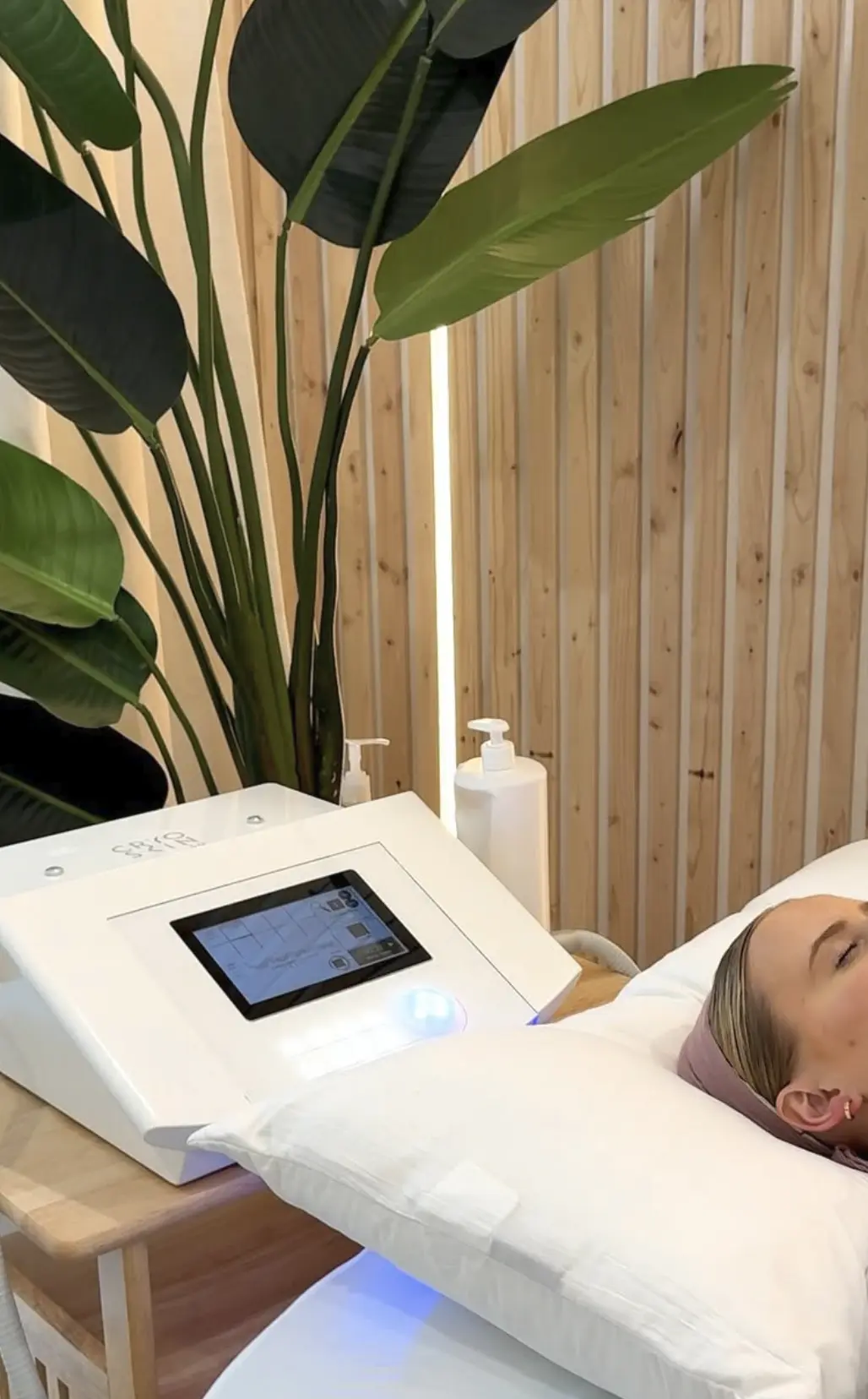
Why Your Body Feels Out Of Sync During This Transition
Perimenopause isn’t really about hormones just “winding down” or whatever – it’s more about how those hormones are doing their thing in a really unpredictable way. One day you’re fine, the next day you’re feeling flushed, on edge, and wondering why all your habits and routines aren’t working anymore.
What’s really going on behind the scenes is that your endocrine system is working overtime trying to adjust. Your temperature and hormone regulator – the hypothalamic-pituitary axis – is becoming more and more sensitive, which is why you might start to feel like your body’s temperature and stress responses are just way off.
In my experience, that shows up in the clinic as:
- Hot flushes and night sweats that feel intense and sudden
- Lower energy levels and disrupted sleep quality
- Skin that becomes reactive, dry, or inflamed
According to the Australasian Menopause Society, 75% of women deal with hot flashes, with a lot of women also struggling with fatigue and sleep deprivation. It’s a big deal, this physical shift – so don’t try to “tough it out”.
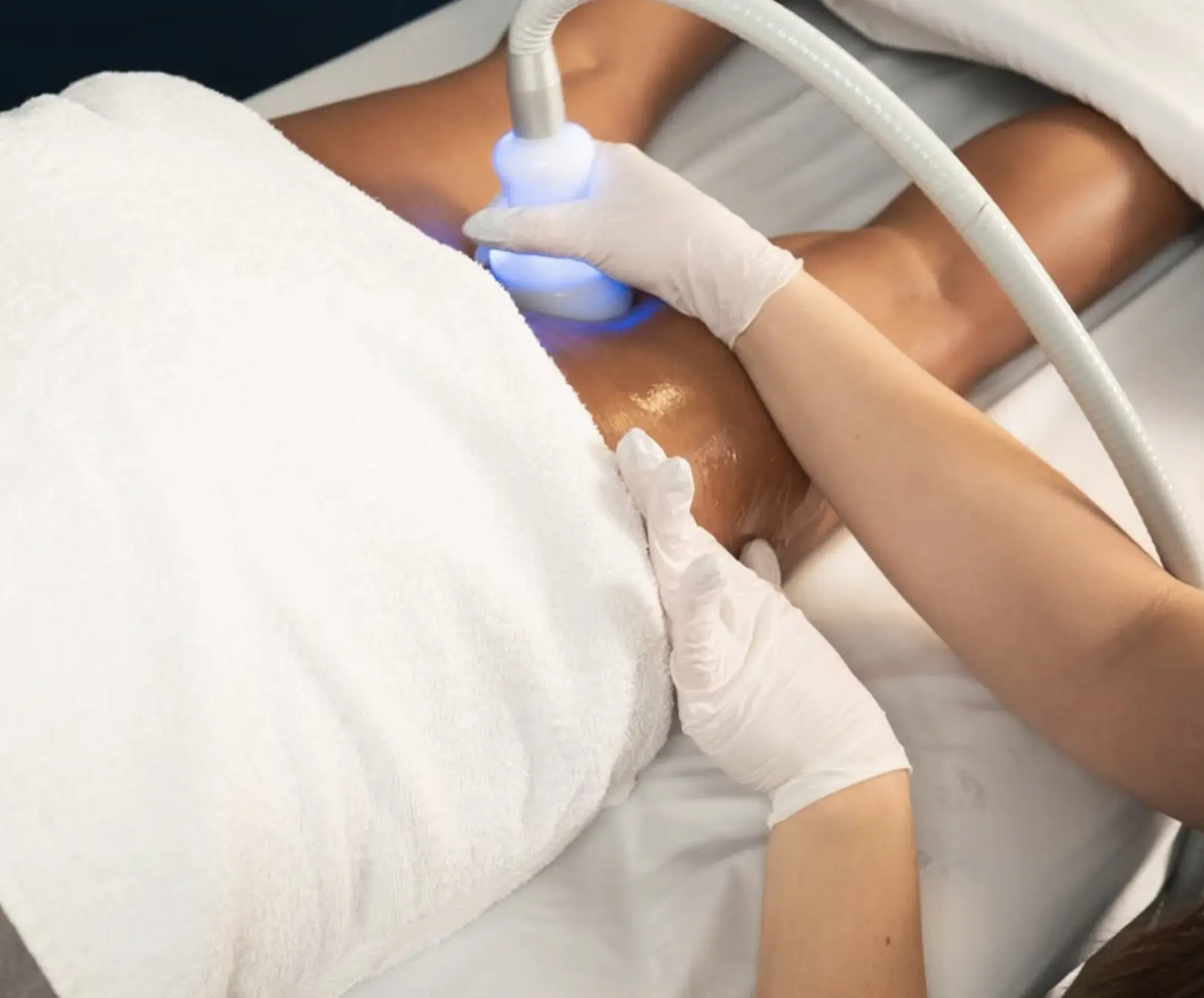
How Controlled Cold Exposure Interacts With The Body
Cryotherapy is essentially controlled cold exposure, delivered either through local cryotherapy – you know, face tools and cooling gels or whole body cryotherapy in one of those icy cryotherapy chambers.
You use a whole-body cryotherapy chamber that blasts you with freezing-cold air (often made with liquid nitrogen, because why not) for a few minutes. Sounds intense, right? But when done right, it’s all over before you even think about shivering. And honestly, most people find it pretty pleasant.
Here’s what happens inside:
- Blood vessels constrict, then expand, improving blood supply
- The body triggers a hormonal response, including endogenous endorphins
- Inflammatory markers may decrease
- The endocrine response supports cortisol regulation and stress hormone balance
I mean it’s all pretty standard stuff, if you’ve been paying attention to what makes good health content.
Supporting Temperature Stability And Daily Comfort
One thing that lots of clients tell me is that they stop feeling like they’re drowning in hot flushes all the time. Cryotherapy doesn’t completely stop night sweats, but it does help you respond to them a bit more calmly. Essentially, by exposing your body to controlled cold, you’re helping to retrain that internal thermostat of yours.
I’ve had some clients come in before, Googling “cryotherapy near me” in the dead of night, wondering if it would even work. But after a few sessions, many people say their symptoms start to feel more manageable, even if they’re not completely gone.
Some also mention that they sleep better, which is pretty linked to how well you can manage your stress responses.
Visible Skin Changes You Might Notice First
This is usually when lots of women start to notice a difference.
Perimenopausal skin can get pretty thin, reactive and slow to heal. You lose some of that lovely collagen, and inflammation starts to get a bit more noticeable.
Cryotherapy helps your skin in a really gentle way:
- By getting the circulation going, which is good for collagen production
- By reducing all that puffiness and fluid retention
- And calming down any redness and irritation
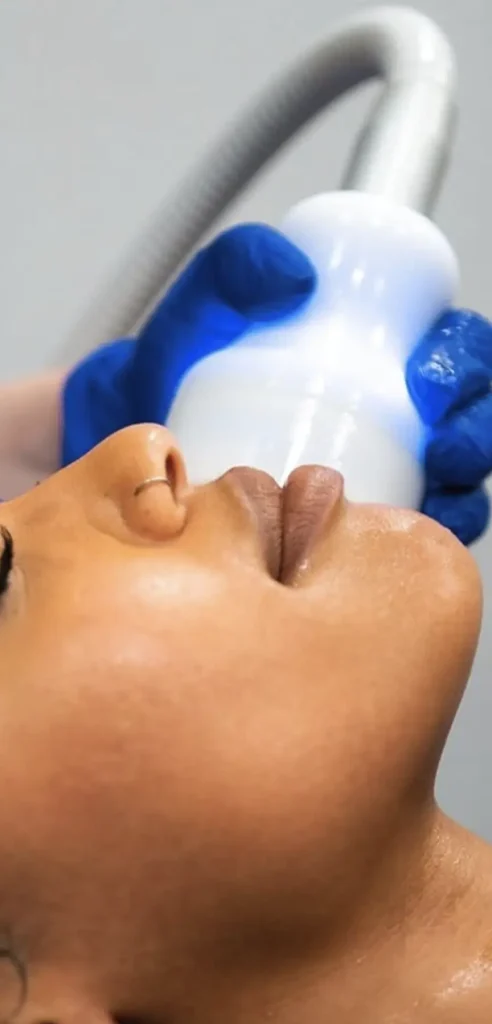
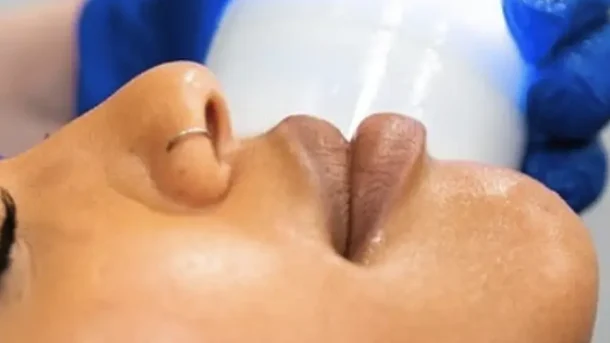
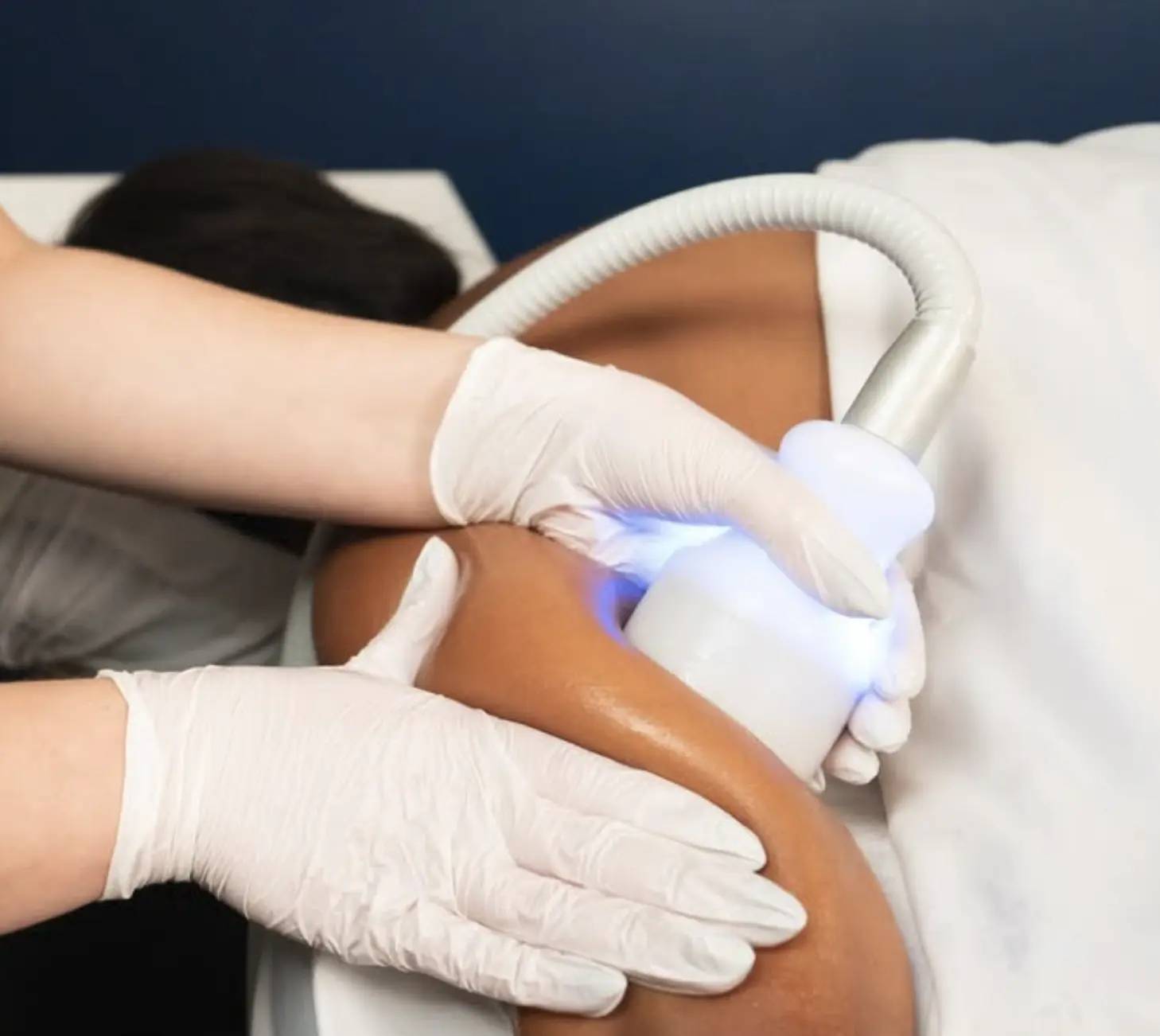
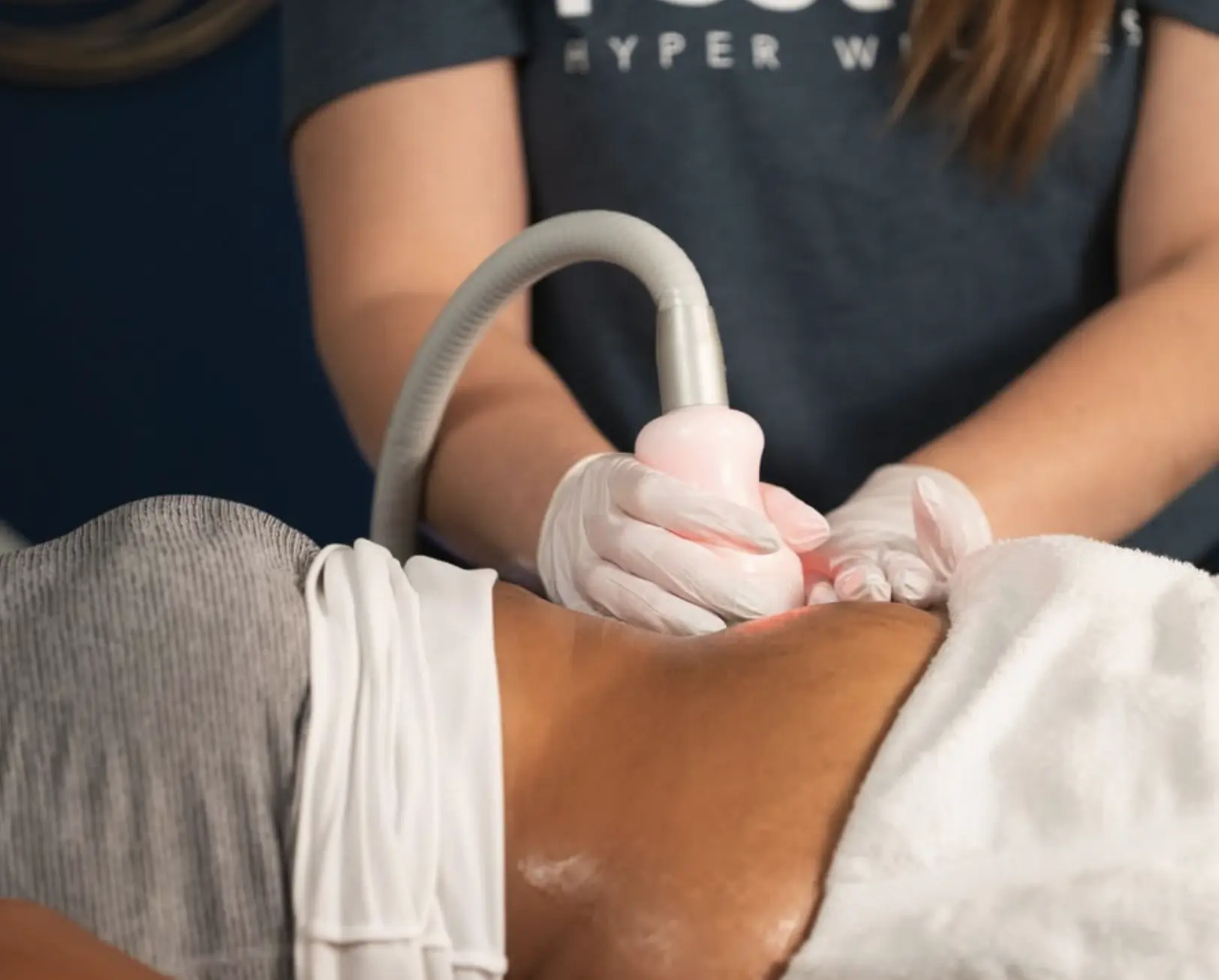
At The Facial Hub, I often use local cryotherapy in facials – either by applying cooling gels or using chilled tools. It’s especially good for people who feel like their skin has just gone haywire.
And honestly, that cooling sensation alone can feel like a real lifesaver – especially in a place like Brisbane where the humidity is just awful.
Calming The Nervous System And Restoring Balance
For me, personally, this is the best bit.
Perimenopause messes around with your endocrine system, which means your stress hormones like cortisol go haywire. When cortisol is all over the place, everything feels like it’s just getting harder – sleep, mood, energy, even skin recovery.
Cryotherapy helps your body switch into that rest and reset mode – which is why so many clients just feel so calm after a session.
Some also report:
- They start sleeping better
- Their energy levels are more even
- They just feel less overwhelmed in general
Some of the women I see have told me they only booked their first session because they were at their wits’ end, searching for “cryotherapy near me” in the middle of the night – and ended up finding something that actually helped.
What A Realistic Treatment Plan Looks Like
If you’re considering this, it helps to know what a structured approach looks like rather than expecting instant results.
| Treatment Type | Frequency | Cost (AUD) | Expected Benefits Timeline |
|---|---|---|---|
| Cryo Facial Add-On (Local Cryotherapy) | Weekly or fortnightly | $30–$80 | Immediate skin calming |
| Local Cryotherapy (Targeted Areas) | 1–2x per week | $60–$120 | Reduced inflammation in 2–4 weeks |
| Whole-Body Cryotherapy Chamber | 2–3x per week initially | $60–$100/session | Systemic benefits in 3–6 weeks |
Consistency is key. Like aerobic exercise, benefits build over time—not overnight.
Why Location And Climate Change Your Results
The place where you live often has a bigger impact than people give it credit for.
In Brisbane, the humidity really starts to get in the way – it makes hot flushes and inflammation a lot worse for people. Skin just feels heavier and more sensitive. Up in Melbourne, the dry air, on the other hand, tends to lead to dehydration and a very fragile skin barrier.
Cryotherapy is a good fit for both, but it works in different ways. In humid places, it really helps to calm things down and cool the skin. While in drier climates, it seems to support circulation and overall resilience.
That’s why treatments need to be tailored to each individual, and not just copied from what someone else is doing.
When To Pause And Seek Professional Advice
The place where you live often has a bigger impact than people give it credit for.
In Brisbane, the humidity really starts to get in the way – it makes hot flushes and inflammation a lot worse for people. Skin just feels heavier and more sensitive. Up in Melbourne, the dry air, on the other hand, tends to lead to dehydration and a very fragile skin barrier.
Cryotherapy is a good fit for both, but it works in different ways. In humid places, it really helps to calm things down and cool the skin. While in drier climates, it seems to support circulation and overall resilience.
That’s why treatments need to be tailored to each individual, and not just copied from what someone else is doing.
Real Client Experience From The Treatment Room
One client in her mid-40s came to me with a pretty rough story – her skin was constantly inflamed, she was getting poor sleep and just didn’t have the energy to get through the day.
We started her out on a combination of whole-body cryotherapy and some extra support for her skin.
It took about four weeks, but eventually she started to notice some real changes:
- Her skin was feeling much calmer and less sensitive
- The nighttime discomfort was really starting to fade
- She was getting more energy throughout the day – no more crashes
And what was really interesting is that it wasn’t just one thing that made the difference – it was the combination of treatments and support that really added up—that’s always the key.
Where This Treatment Fits In Modern Wellness
Cryotherapy has gone beyond being some trendy new thing. It is now a key part of a bigger shift towards supporting our body’s natural regulation – rather than just trying to force results.
Some of the things we’re seeing in 2026 that we’re pretty excited about are:
- Much better cryotherapy chamber tech – it’s getting more targeted and refined.
- Cryotherapy is getting really integrated into overall wellness routines – people are starting to see it as a key part of taking care of themselves.
- We’re getting much more into the idea that hormonal balance and nervous system health are all connected to this.
And to top it all off, there’s a lot of interest in how cold exposure might influence our metabolic rate, glucose levels and how our bodies deal with fat – but that’s a whole other area of research.
A Thoughtful Approach To Feeling Like Yourself Again
If you’re looking to feel like yourself again and are looking into ways to help that along, then cryotherapy might be a useful tool to consider – though keep in mind it’s going to be a supporting player rather than a magic bullet in and of itself.
It can be of some help with several things, such as:
- Regulating your body temperature
- How you respond to stress
- Your skin health
- Getting a good night’s sleep
But it’s when you combine it all with the right skincare routine, some helpful lifestyle changes and a bit of guidance that the real benefits start to show up.
FAQ
Can cold exposure eliminate flushing episodes?
No – it might make them happen less often or be less intense, but the underlying hormonal imbalances are still the real issue.
Does this treatment support better rest at night?
Some women find they get better rest, probably because the stress response is a bit better under control and their cortisol levels are more in check.
Is professional cold therapy safe for most women?
Generally, it’s fine, but you should probably talk to a doctor first if you’ve got any underlying health problems.
Can this replace medically prescribed hormonal support?
No – it’s a complementary therapy, not a substitute for things like hormone replacement therapy.
How long does it take to notice overall improvements?
You might start to see some benefits to your skin and mood pretty quickly, but getting the deeper benefits – the ones that really start to make a difference – can take a while – a few weeks at least.