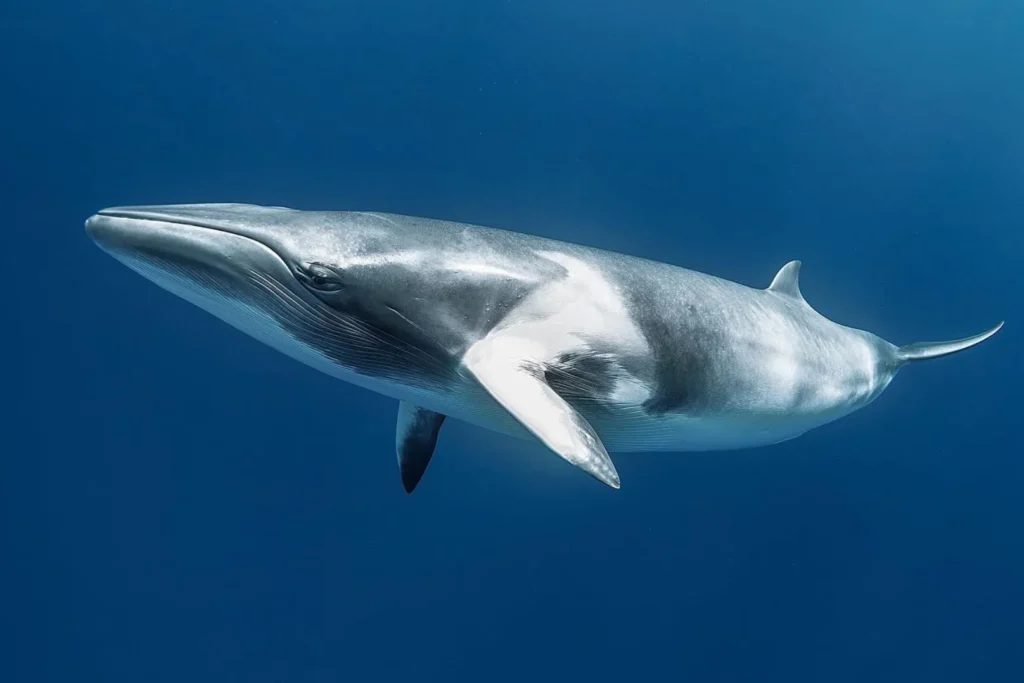
The question: What’s unique about the Dwarf Minke Whale season on the Great Barrier Reef? Comes up every winter out here, usually from someone still dripping saltwater and grinning like they’ve just found a twenty in an old pair of boardies. And fair enough — swimming with dwarf minke whales (Balaenoptera acutorostrata) in the Great Barrier Reef Marine Park is one of the most unusual wildlife encounters on the planet. Not because you chase the Minke Whales, but because these baleen whales choose to approach you.
The winds ease, the Coral Sea settles, and suddenly these curious marine mammals sweep past like underwater missiles. If you love wildlife encounters with a bit of unpredictability, this is your season.
The Only Place on Earth Where Whales Approach You
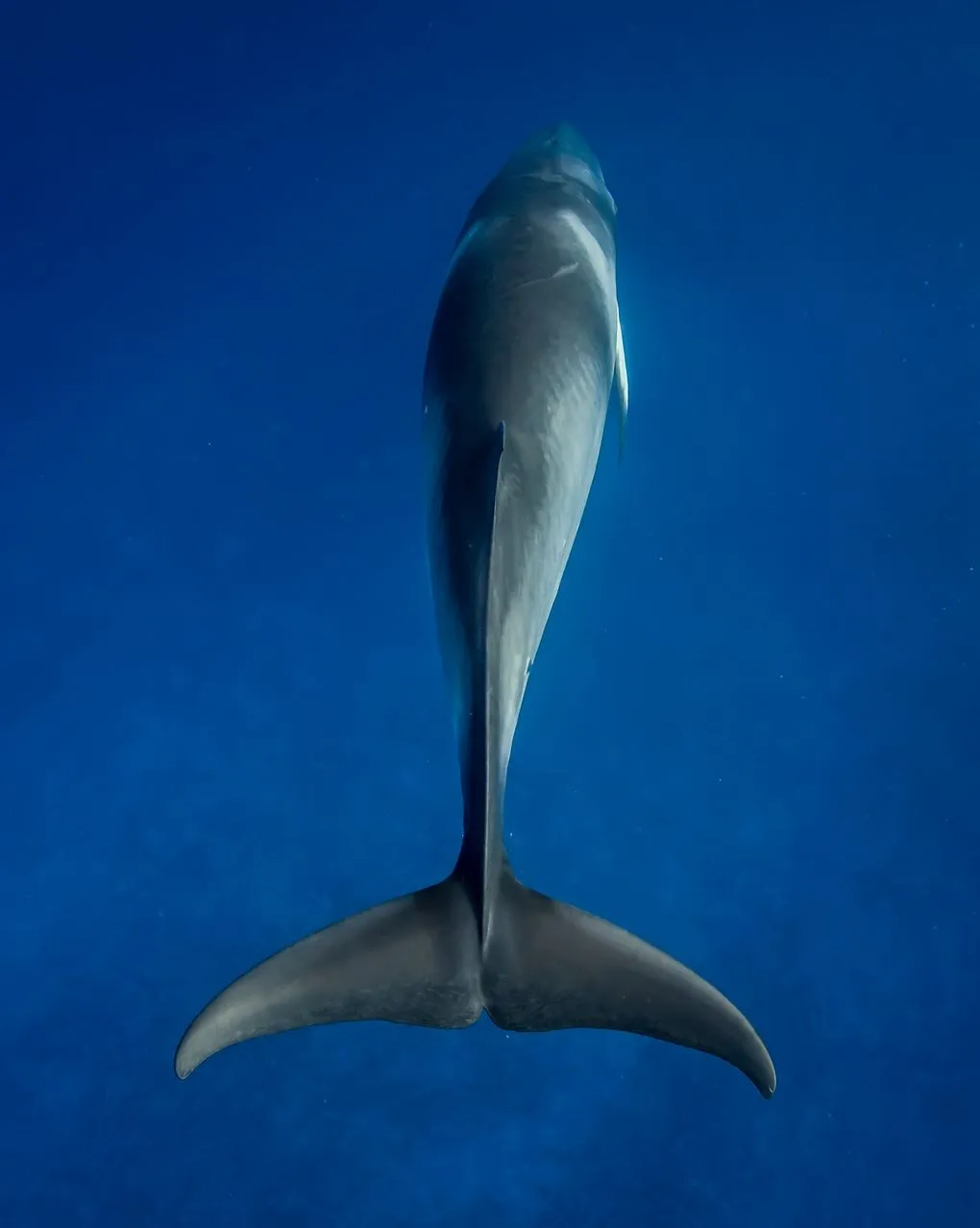
You’ll want to know this: dwarf minke whales in the Coral Sea don’t follow the same patterns as the giants cruising up from Antarctic waters. Most whales stick to migration routes for feeding or calving. Minkes? They gather around Ribbon Reef 3, 7, 10, Challenger Bay, Lighthouse Bommie, and even spots like Gotham City and drift right up to swim-with-whales participants.
Researchers at James Cook University and the Minke Whale Project, including Dr Alastair Birtles (known by many as Professor Minke) and Linfeng Dai, have studied this behaviour for years. Their data, along with long-term sightings logged via Eye on the Reef, show consistent social aggregations from June to July. Why they approach humans remains partly a mystery — and that’s half the appeal.
How Long Do the Encounters Actually Last
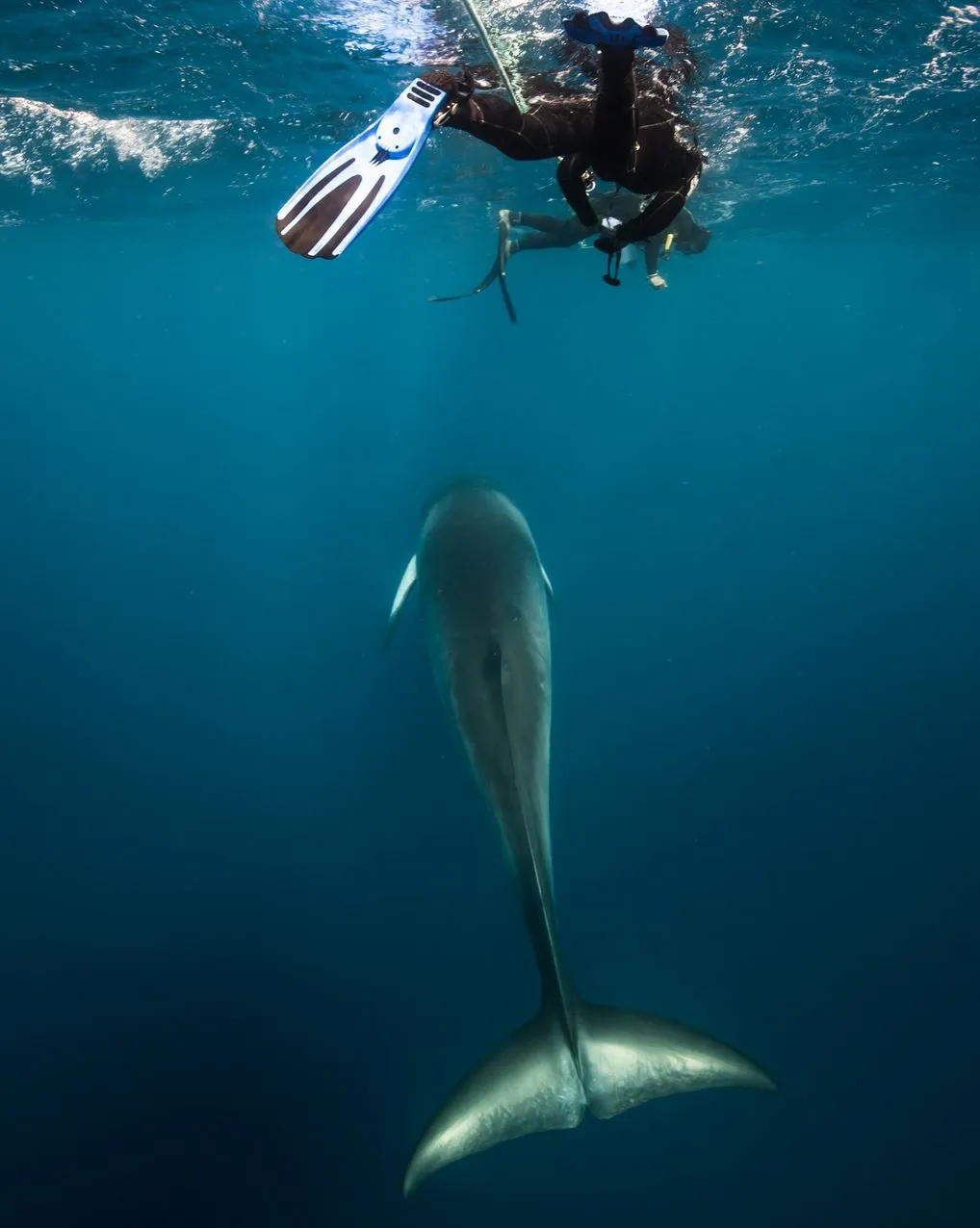
Depending on conditions, you might get a quick fly-by or a full-blown two-hour session where multiple minkes circle your drift line. Some even perform the “bubble blast,” a slow exhalation under the surface that’s become one of the signature behaviours logged in the Minke Whale Project database. With the strict Code of Practice enforced by the Great Barrier Reef Marine Park Authority, the encounters stay safe, respectful, and controlled.
The Science Behind Their Winter Hangout
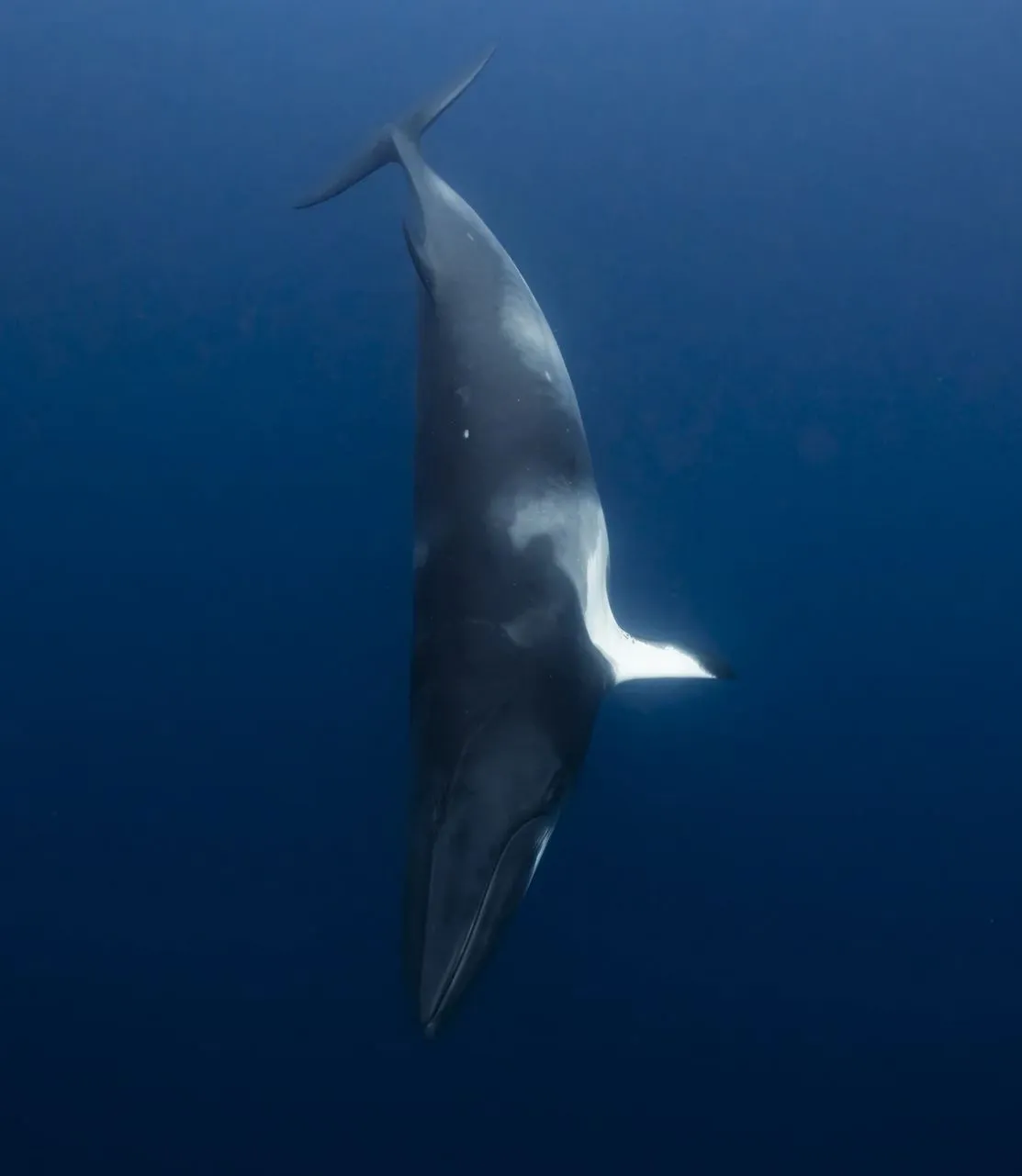
Winter brings calmer seas and cooler currents to the northern Coral Sea, creating ideal conditions for the minkes’ social season. Water visibility typically hits 15–30 metres, and the sea calms enough for stable drift lines.
There are plenty of theories on why they gather — social interaction, courtship, navigation cues — but nothing definitive. That’s typical for wild animals as clever and unpredictable as Minkes. The combination of remote reefs, cooler water, and low vessel noise (thanks to strict marine park regulations) seems to provide a perfect temporary hub for them.
Seasonal Conditions In Simple Numbers
| Month | Avg Water Temp | Typical Wind | Visibility | Whale Sightings |
|---|---|---|---|---|
| June | ~23°C | Light–moderate SE | 20–30m | Very High |
| July | ~22–23°C | Moderate SE | 15–25m | Very High |
| August (tapering) | ~23–24°C | Light winds | 15–20m | Occasional |
Why This Whale Season Feels Far More Relaxed
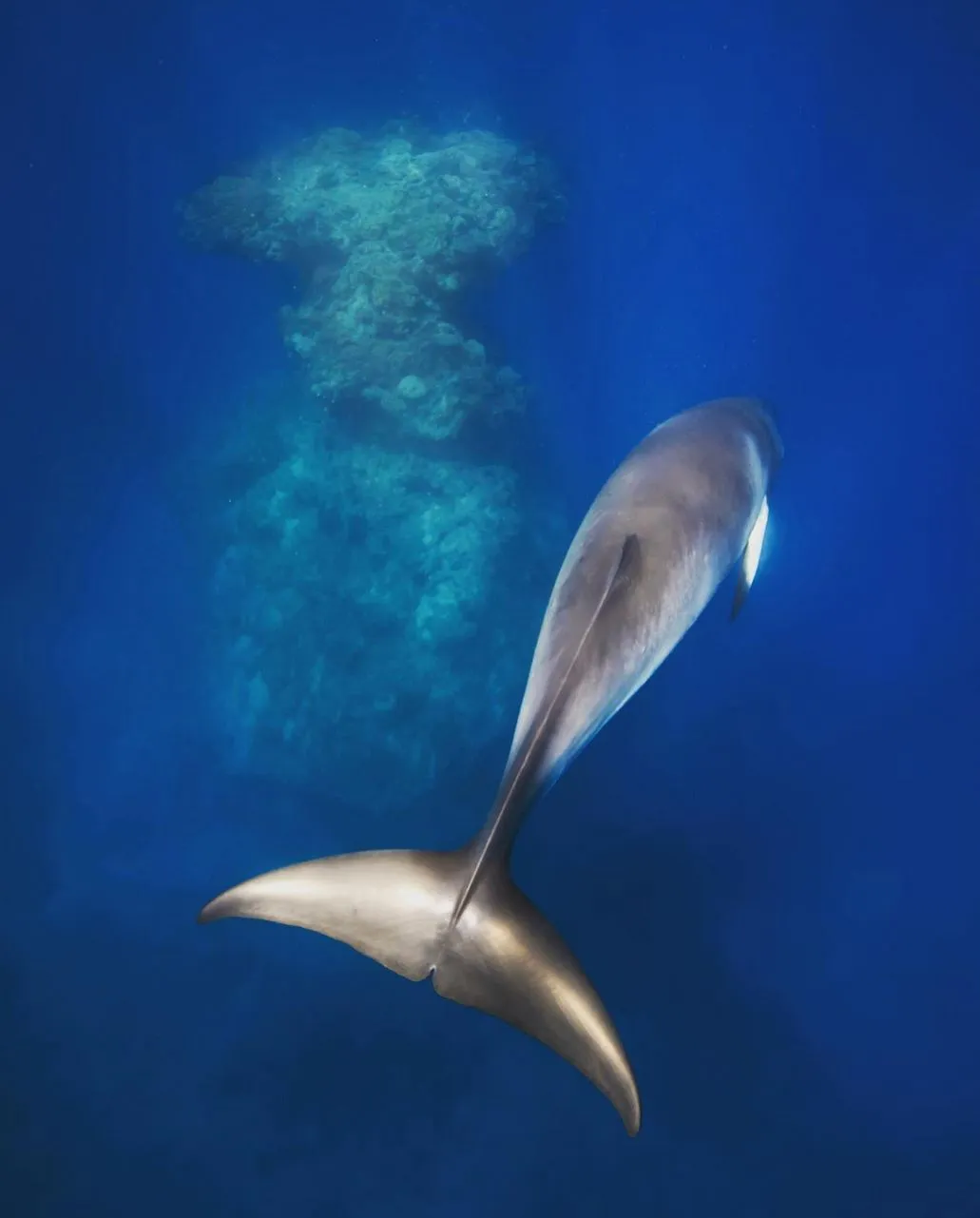
I’ve worked from Portugal to Poland, but nothing compares to this. Unlike chaotic big-whale hotspots, the GBR’s minke season is deliberately low-key. The Great Barrier Reef Marine Park Authority limits operators, enforces guidelines, and ensures strict compliance with the EPBC Act (Australian Environment Protection and Biodiversity Conservation Act) to protect these marine mammals.
Because of these protections, you won’t get boats crowding the whales, nor will you hear engines roaring in pursuit. It’s just you, the Reef, and a few curious minkes deciding whether you’re worth a slow swim-by.
The Drift Line Dance
- You clip onto a drift line during the dive briefing.
- You stay calm, fins barely flicking.
- You rely on basic snorkel equipment and surface marker buoys for safety.
- The whales decide if they’re in the mood for a visit.
- You float, breathe, and wait for that unmistakable eye contact.
Trust me, the first time a minke locks eyes with you, you’ll feel like you’re being scanned by a very polite submarine.
The Best Spots To See Them (And How To Get There)
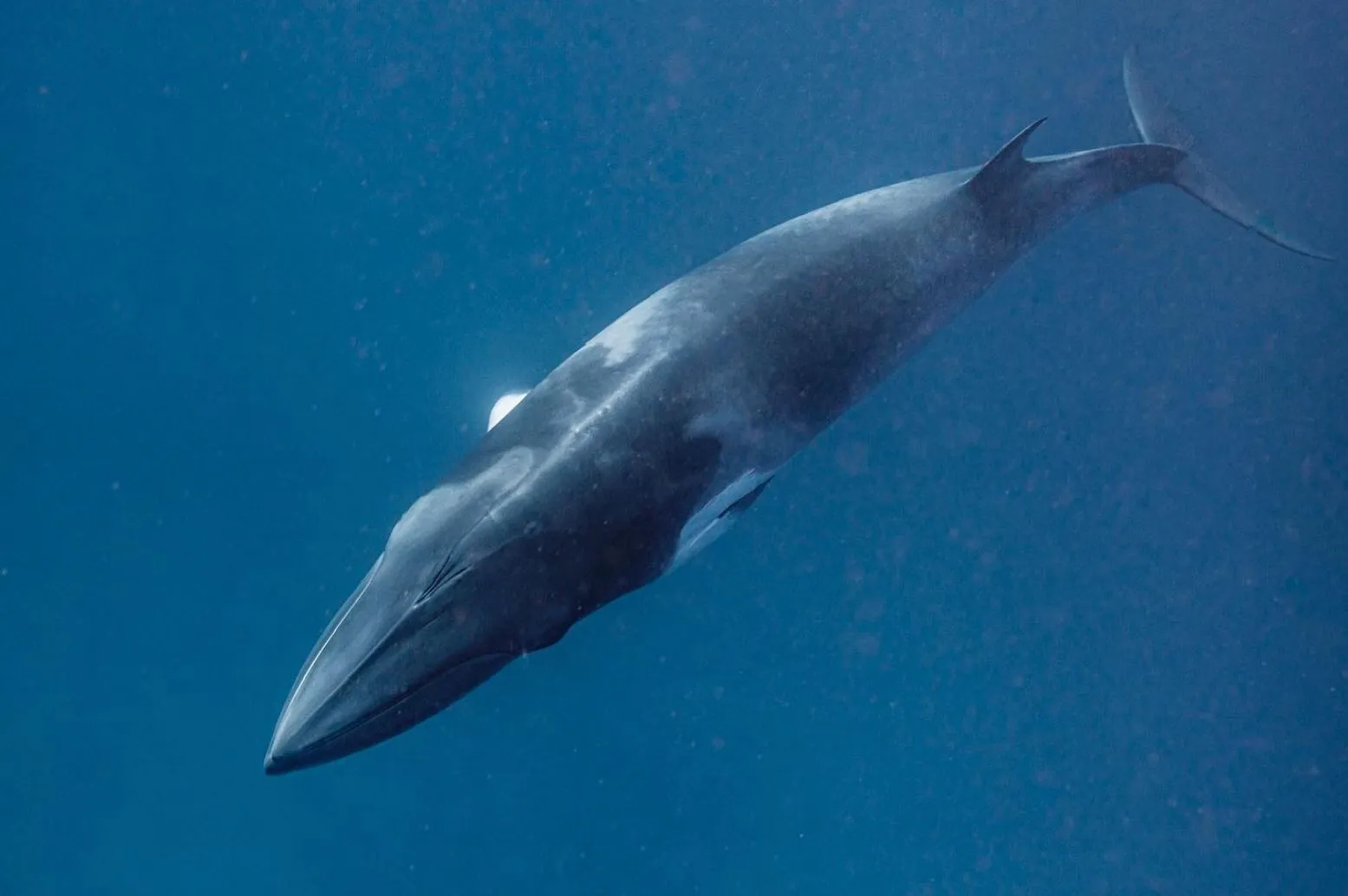
Most encounters happen on Ribbon Reef between Lizard Island and the northern tip of the GBR. Legendary sites such as Cod Hole (home of the famous Potato Cod), Coral Kingdom, and Lighthouse Bommie are central to the season. Operators run multi-day Reef trips from Port Douglas and Cairns, often pairing dives at sites like Osprey Reef with dedicated Minke swim days.
On my earliest trips out this way, we’d moor near Chinaman’s Ridge at dawn and watch the Coral Sea shift from steel-grey to bright turquoise. When we run expeditions through Great Barrier Reef Tours, the minkes almost always arrive just after breakfast — typical Queenslanders, operating on their own schedule.
Access Notes
- Departures: Cairns + Port Douglas.
- Liveaboards: Spoilsport, Spirit of Freedom, OceanQuest, Bluewater Travel partner vessels.
- Gear: snorkel gear, wetsuit, Nautilus Lifeline, Cyalume sticks, surface marker buoys, Nitrox fills if diving.
- Training: Snorkellers welcome; scuba divers need a certification card.
- Nearby attractions: Mossman Gorge, Atherton Tablelands, Raine Island research zones (restricted access).
Understanding The Code Of Conduct (So You Don’t Blow It)
Without strict rules, the season wouldn’t exist. Operators must comply with the Minke Whale Interactions Code of Practice, GBRMPA permits, and ongoing research requirements from the CSIRO Minke Whale Project and Friends of the Minke Whales Project.
Travellers are briefed on minimising disturbance, maintaining spacing, and following all instructions — no exceptions. These whales aren’t a theme park attraction. They’re protected wildlife in a UNESCO World Heritage Marine Park.
Quick Behaviour Checklist
- Stay on the line.
- No diving down or chasing.
- Keep your hands to yourself.
- No flash photography.
- Move slow — minke-speed slow.
- Follow the rules, and the whales usually reward you with more extended stays.
Why This Marine Giant Stands Apart
These sleek grey torpedoes — often with white pectoral fin flashes and a distinctive diagonal band — stand out from other baleen whales. Their agility lets them loop, bank, and tilt in ways big whales can only dream of. They also seem to enjoy long, unhurried glances at swimmers.
They rarely show aggression. Instead, you’ll notice subtle movements: a slow roll, a gentle fin tilt, or that famous eye-to-eye moment that makes everyone forget the Coral Sea is cold.
Behaviour Traits You’ll Notice
- Curiosity, especially around drift lines
- Group loops, with several minkes performing fly-bys in unison
- Occasional bubble blasts
- Acoustic grunts and chirps logged by researchers
- Graceful pacing that keeps them near the line just long enough to make your heart race
Who You Meet Out There: Researchers, Skippers, And Reef Folk
You’ll meet researchers from James Cook University, volunteers from Eye-to-Eye Marine Encounters, crew from Divers Den or Mike Ball Dive Expeditions, and sometimes conservation teams monitoring for issues like wildlife smuggling and marine park compliance.
Evening briefings often include presentations on whale behaviour, minke identification, and long-term monitoring efforts. You might even spot Professor Minke himself aboard now and then.
Expect Learning Moments
Typical sessions cover:
- The history of the Minke Whale Project
- How to submit footage to Eye on the Reef
- ID techniques using scars and fin patterns
- Reef ecology updates, from green turtles to coral bleaching cycles
FAQ
When is the primary Dwarf Minke Whale season?
June–July, tapering into early August depending on conditions in the Coral Sea.
Do you need to scuba dive to see them?
No. Most interactions occur at the surface during snorkelling sessions.
Are dwarf minke whales dangerous?
They’re gentle marine mammals, protected under the EPBC Act, and interactions follow strict safety protocols.
Can kids join these trips?
Many operators set a minimum age of 12 for swim-with-whales activities.
What’s the difference between Minkes and Humpbacks?
Minkes are smaller, faster, and uniquely curious — the only whales known to approach swimmers repeatedly.