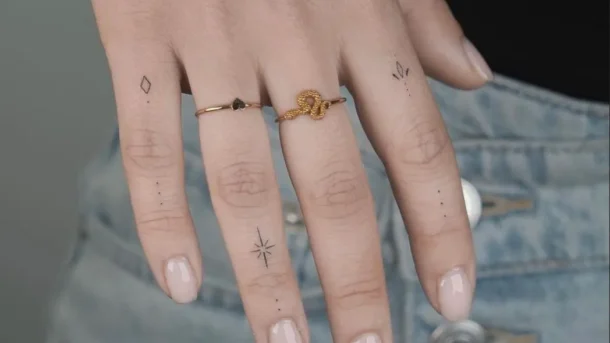
A fine line tattoo is often the first choice for clients seeking a more subtle, artistic expression with minimal trauma to the skin.
If you’ve ever hovered over the “book now” button for a fine line tattoo but paused at the word needle, you’re not alone. One of the most common questions clients whisper in the studio chair is: “Is this going to hurt?” And if you’re tossing up between a fine line piece and a traditional tattoo, the pain factor might just tip the scales. So, let’s dive into what the needle actually feels like, what your skin goes through, and whether fine line tattoos really go easier on the ouch scale.
If you’re looking for extra support before your appointment, the team at Cosmetic Tattoo Melbourne Studio Face Figurati can walk you through everything from numbing creams to proper care routines.
What is a Fine Line Tattoo?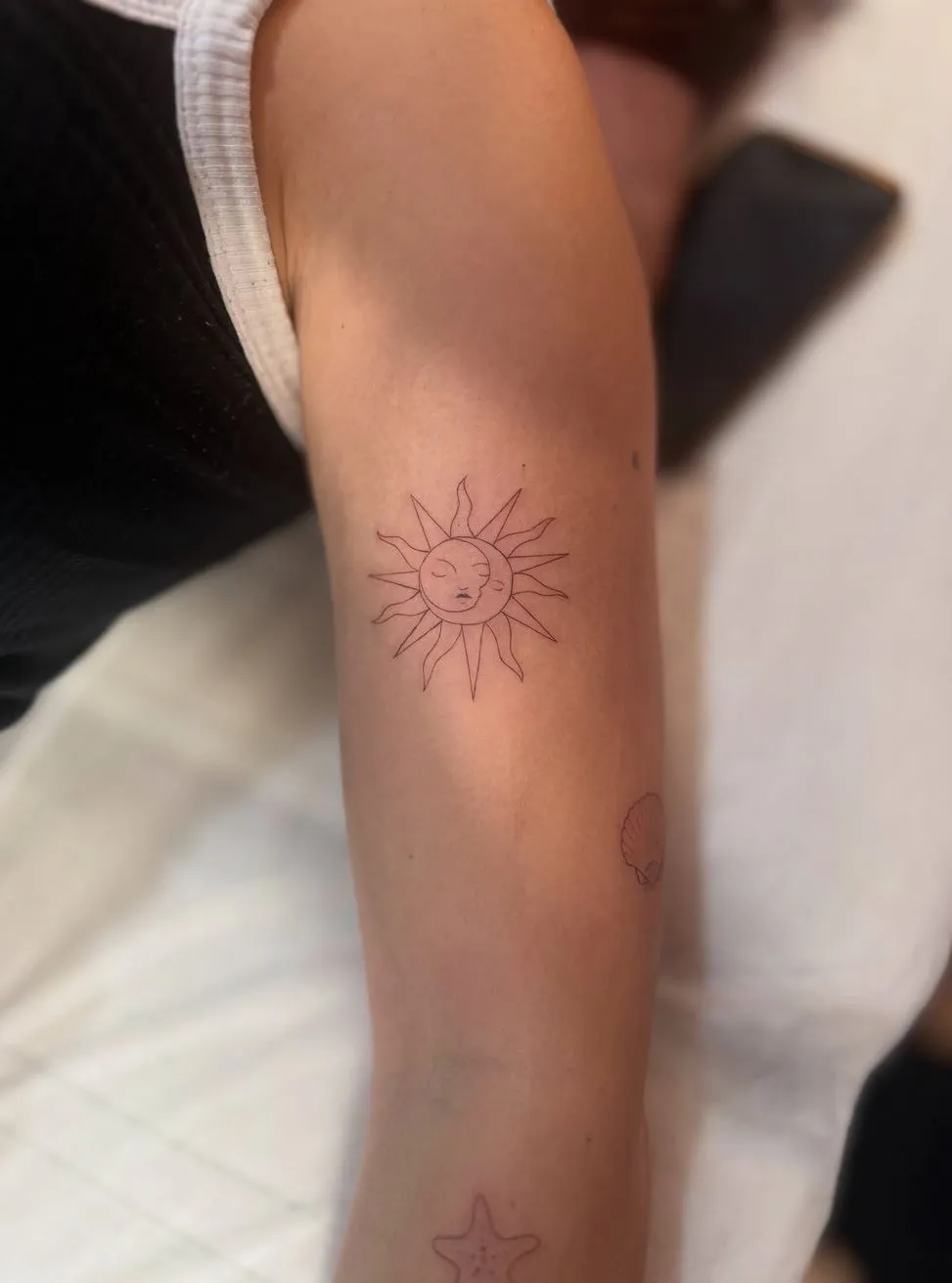
Fine-line tattoos are all about delicate, single-needle or three-round liner needle detail. Think minimalist designs, micro tattoos, or abstract artworks like bouquet tattoos or daisy outlines. Unlike traditional tattoos that use bold outlines and heavy shading with larger groupings like 6-12 round liner needles, fine line artists typically use just one or a very tight grouping—1-3 round liner needles—to create soft, hairline strokes.
It’s a precise art form, celebrated for its delicate appearance and crisp details. That also means less trauma to the skin, making it a more attractive option for those with lower pain tolerance or those seeking a subtle piece of body art rooted in personal expression.
Pain Levels: Fine Line vs Traditional Tattooing
| Tattoo Style | Needle Grouping | Skin Impact | Typical Pain Level (Client Feedback) |
|---|---|---|---|
| Fine-Line Tattoos | Single or 3-round liner | Light trauma, surface only | Mild to Moderate |
| Traditional Tattoos | 5-12 needle groupings | Deeper, heavier shading & impact | Moderate to Intense |
Traditional tattoo styles often use thicker lines, bold shading, and detailed artwork with a bold aesthetic. This requires more passes and deeper penetration, which increases the pain level and bruised appearance for some.
Fine-line tattoos, in contrast, favour delicate lines, minimal shading, and shorter sessions. Many clients describe the tattooing process as a “scratchy sensation” or akin to threading.
Why Fine Line Tattoos Hurt Less?
Here’s the science-meets-studio breakdown:
- Single Needle = Less Skin Trauma: Fewer punctures mean a gentler experience.
- Shorter Sessions: Smaller designs typically take 1-2 hours, compared to 4-6+ hours for larger tattoos.
- Minimal Shading: Fine-line designs often skip heavy fill, which reduces discomfort.
- Delicate Nature: Less impact makes it a better fit for sensitive skin types.
Of course, pain tolerance varies person to person. Even minimalist tattoos can sting on bony spots.
Factors That Affect Tattoo Pain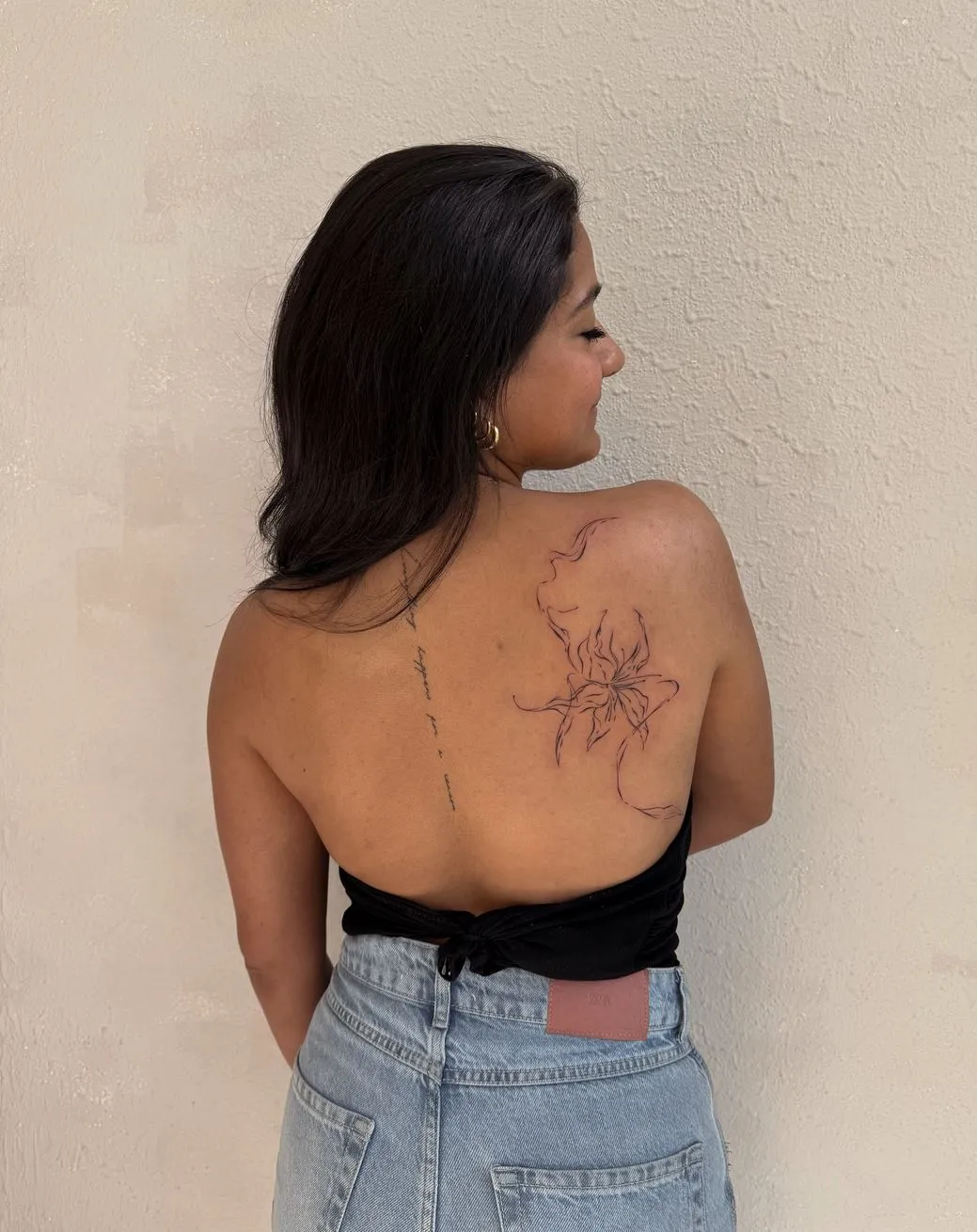
Tattoo pain isn’t only about the design or tattoo artist. Here’s what else can affect your experience:
- Skin Type: Thin or dry skin can be more sensitive.
- Placement: Areas like the ribs, sternum, or ankle always rank high on the pain chart.
- Your Cycle: Near your period? Your pain tolerance may drop.
- Hydration & Sleep: Tired or dry? Your skin will feel everything.
- Tattoo Cleanliness: Cleanliness and proper care reduce inflammation and discomfort.
- Numbing Creams: Helpful for low-pain thresholds or sensitive zones.
- Level of Skill: A skilled tattoo artist can reduce unnecessary trauma.
Healing: Fine Line vs Traditional
Your healing tattoo matters just as much as the in-chair session. Here’s what you can expect:
Fine-Line Tattoos:
- Heal faster (usually within 10-14 days)
- Minimal scabbing and peeling
- Less redness and swelling
- Suitable for active people and those who need to return to work quickly
Traditional Tattoos:
- Deeper trauma = longer healing (up to 4 weeks)
- Higher chance of scabbing
- Greater need for attentive care and proper aftercare
Aftercare Instructions Include:
- Use lukewarm water and gentle soap to clean
- Pat dry with a clean towel
- Apply Bepanthen Antiseptic Cream or Art Cream
- Avoid sun exposure and body water (baths, pools, oceans)
- Use plastic wrap only during early healing if advised
What the 2025 Beauty Trends Say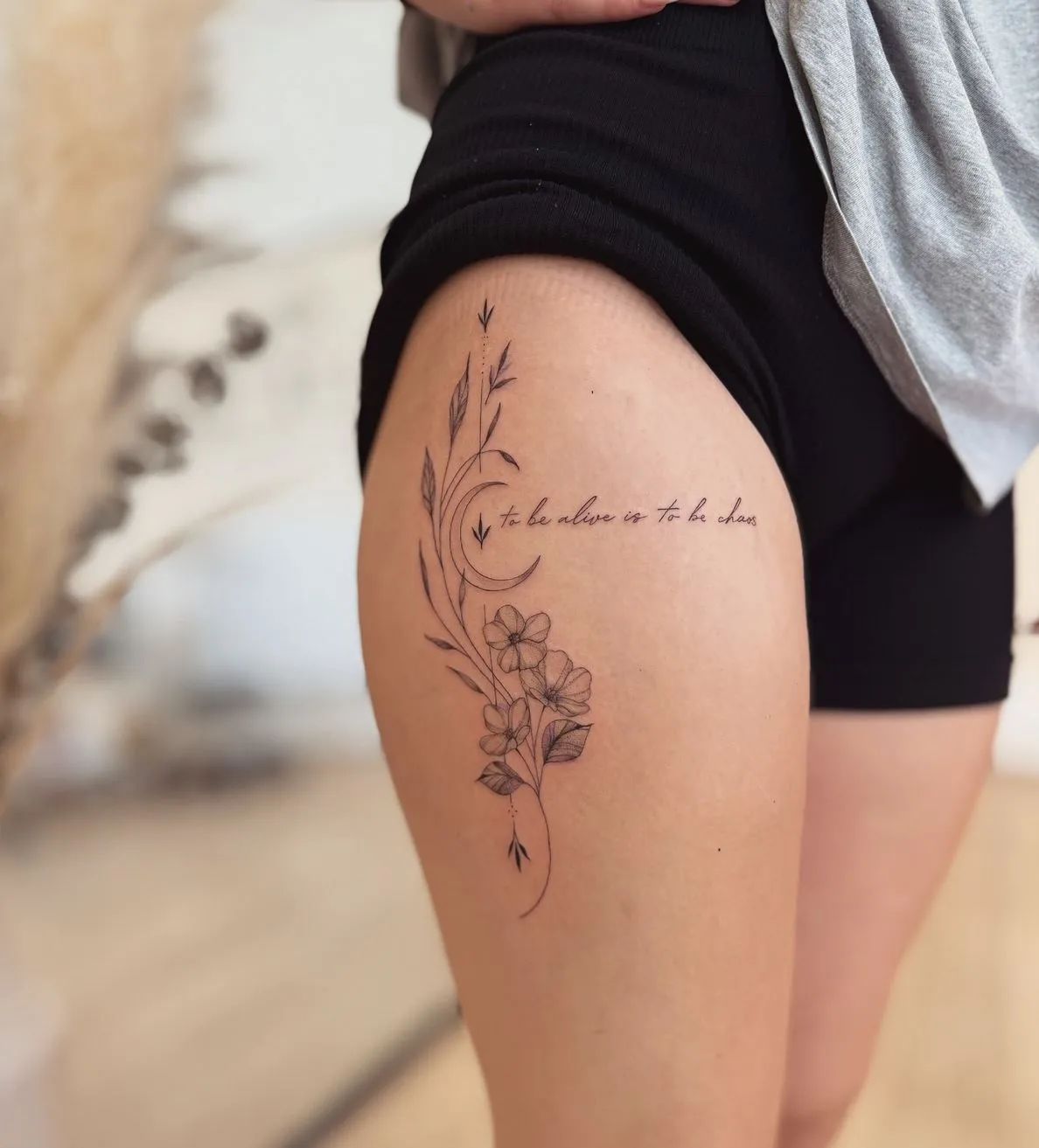
In 2025, data from the tattoo industry shows that over 68% of first-time clients in Melbourne chose fine-line tattoos over traditional ones. Why?
- Lower pain level
- Custom tattoo options for personal style
- Minimalist style fits both aesthetics, with designs rooted in quiet expression and bold, eye-catching appearance
- Faster healing process with fewer complications
Studios have reported a steady rise in fine-line requests, particularly among women and professionals seeking body art that fits into workwear culture.
When Fine Line Isn’t Less Painful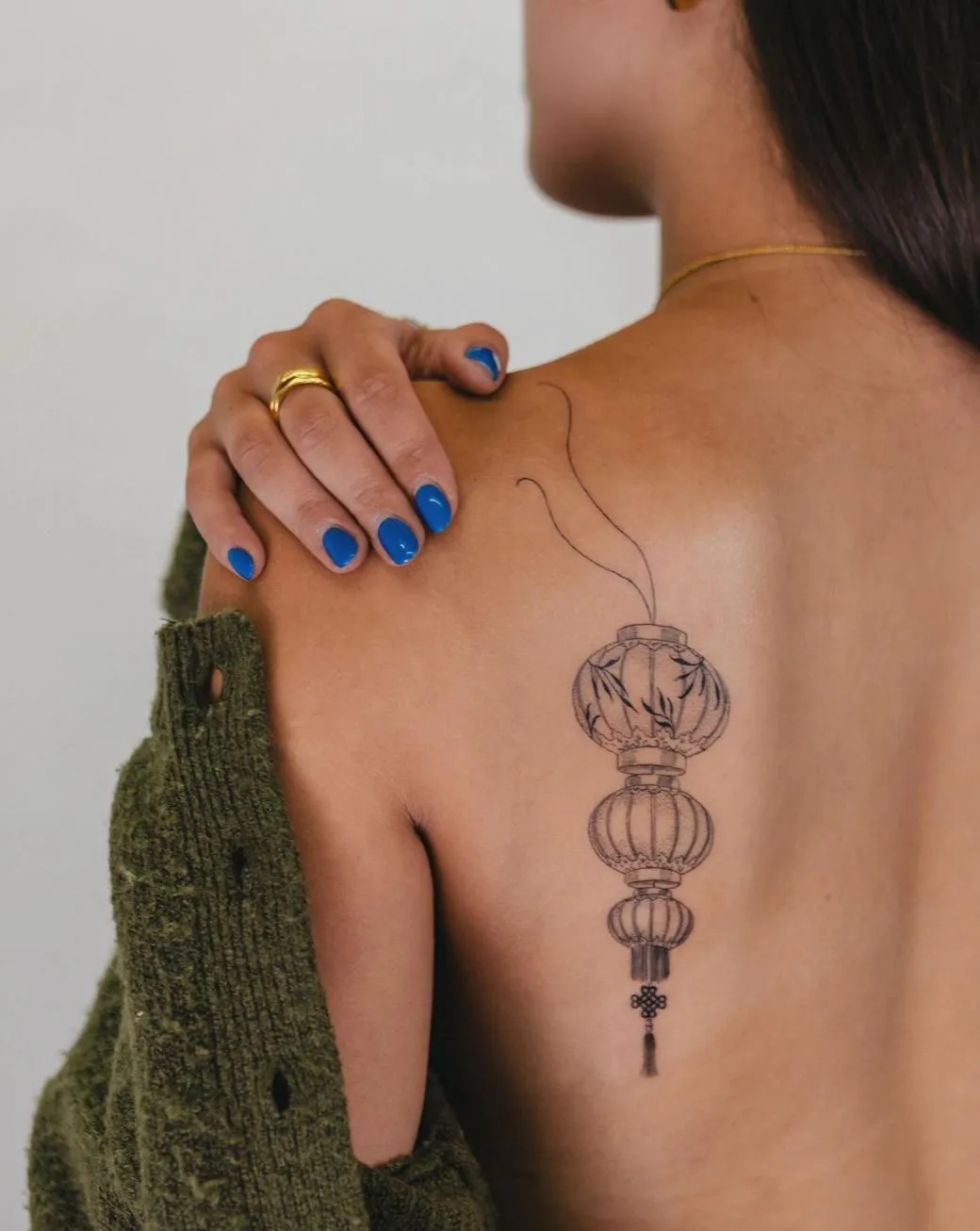
Let’s keep it honest: fine-line doesn’t mean pain-free.
- Stinging or pinching on sensitive spots
- Tingling or itchiness during healing
- Dryness (tattoo dry effect) if not using a proper balm tattoo aftercare product
The intricate nature of fine-line tattoos can also require the artist to go over the same area multiple times for crispness over time and clarity over time. That can feel more intense than expected.
Before Your Fine Line Tattoo
DO
- Hydrate well for 24 hours prior
- Eat a hearty meal
- Wear comfy clothes
- Ask about numbing creams
- Review tattoo ideas and bring reference images
DON’T
- Consume alcohol or caffeine before your appointment
- Take blood thinners (unless medically necessary)
- Apply harsh skincare near the tattoo site
- Come in sunburnt or freshly fake-tanned
- Ignore the aftercare tips post-tattoo
Final Thought
So, is fine-line tattooing less painful than traditional? Most of the time—yes. Especially if you’re opting for simple designs, geometric shapes, or a small heart tattoo that fits your personal preference and aesthetic.
But whether you’re drawn to bold body art or dainty tattoo expressions with meaning derived from your life experiences, choose a competent tattoo artist who takes hygiene, artistic expression, and healing seriously.
Fine-line work might suit your skin, your lifestyle, and your vision of life best, but don’t forget, traditional tattoos offer durability, bold lines, and classic designs that stand the test of time.
FAQ
Is fine-line tattooing better for sensitive skin?
Yes. The delicate nature and lighter shading make it ideal for those with sensitive or reactive skin. Proper aftercare is still essential.
Can you get a single needle tattoo numbed?
Definitely. We offer numbing creams for clients at our Cosmetic Tattoo Melbourne Studio, Face Figurati.
Do fine-line tattoos hurt less on certain parts of the body?
Yes. Areas with more fat or muscle (like thighs or upper arms) tend to be less painful. Bony areas? Not so much.
How long does a fine-line tattoo hurt?
Pain typically subsides after a few hours, with slight tenderness or tightness for 1-2 days. A quicker healing process means you’re back to normal sooner.
Do fine-line tattoos fade faster?
Fine-line tattoos may fade faster than bold or heavy-shaded tattoos, especially if not protected from sun exposure. But proper care and professional tattoo artists can extend their crisp appearance.