You’ve probably seen them on pharmacy shelves and TikTok scrolls: those shiny boxes of whitening strips promising brighter teeth in a matter of days. But are teeth whitening strips dentist-approved? Do they actually work, or are we just bleaching money down the sink?
Let us walk you through what we know — not from marketing brochures, but from years of real-world experience helping Brisbane locals improve their smile safely, effectively, and with results that last beyond a weekend selfie. At Cosmetic Tattoo Brisbane Studio Face Figurati, we see firsthand how popular teeth whitening has become — and how often clients come in with questions (or damage) from DIY attempts.
What to Know Before You Try Them
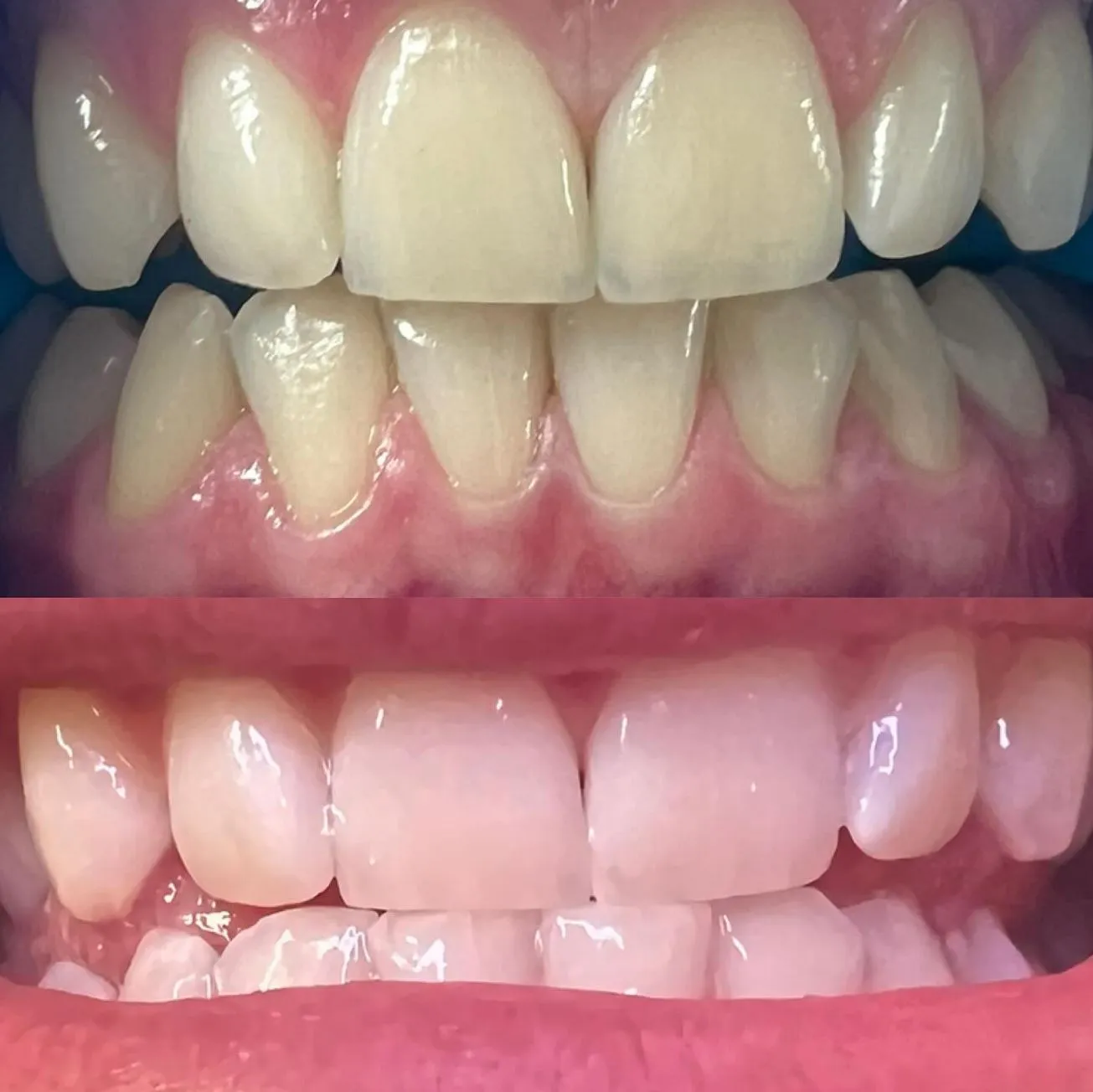
In a nutshell, whitening strips are thin, flexible pieces of plastic coated in a peroxide-based gel. You stick them on your teeth, leave them there for 15–60 minutes (depending on the brand), and they chemically break down surface stains.
Most over-the-counter strips use hydrogen peroxide or carbamide peroxide as their active ingredient. These whitening agents work by penetrating the enamel and oxidising the pigmented molecules responsible for discolouration. Think of it like a mini laundry session for your teeth.
Teeth whitening with these strips can work, but only when used carefully and in the right context.
Are They Dentist-Approved?
Yes and no — and this is where things get a bit murky. Some whitening strips have the backing of dental associations overseas (like the American Dental Association), but Australian dental professionals are more cautious.
Most strips you buy off the shelf contain lower concentrations of hydrogen peroxide or carbamide peroxide compared to what your dentist can legally use. That means they can be effective for mild staining but often won’t touch deeper or older discolouration. Worse, using them too often or incorrectly can cause tooth sensitivity, gum irritation, and uneven whitening.
Real Talk: What We See in the Studio
We’ve seen clients come in with patchy teeth from overusing whitening strips, or with gums so inflamed they need a break before any other whitening treatments can begin. We’ve also had clients use strips safely and get a little brightness boost before an event.
The difference? Education, consistency, and knowing when to stop. We always tell our clients: don’t use more than the box recommends, avoid strips if you have active gum disease or recent dental work, and never double up treatments without checking with a dental professional first.
At Cosmetic Tattoo Brisbane Studio Face Figurati, we’ve also helped clients manage side effects from excessive use of at-home teeth whitening kits. Sometimes, less really is more.
Whitening Options Compared: Strips vs. Other Methods
| Whitening Method | Strength | Best For | Cost Range (AUD) | Longevity | Dentist-Approved? |
|---|---|---|---|---|---|
| Whitening Strips | Low-Medium | Surface stains, events | $20–80 | 1–3 months | Mixed |
| In-Chair Whitening | High | Deeper stains, fast results | $400–800+ | 6–12 months | Yes |
| Custom Take-Home Trays | Medium-High | Gradual, even whitening | $300–600 | 6–12 months | Yes |
| Whitening Toothpaste | Very Low | Maintenance, stain prevention | $5–20 | Ongoing use | Yes (non-abrasive types) |
LED Lights + Strips
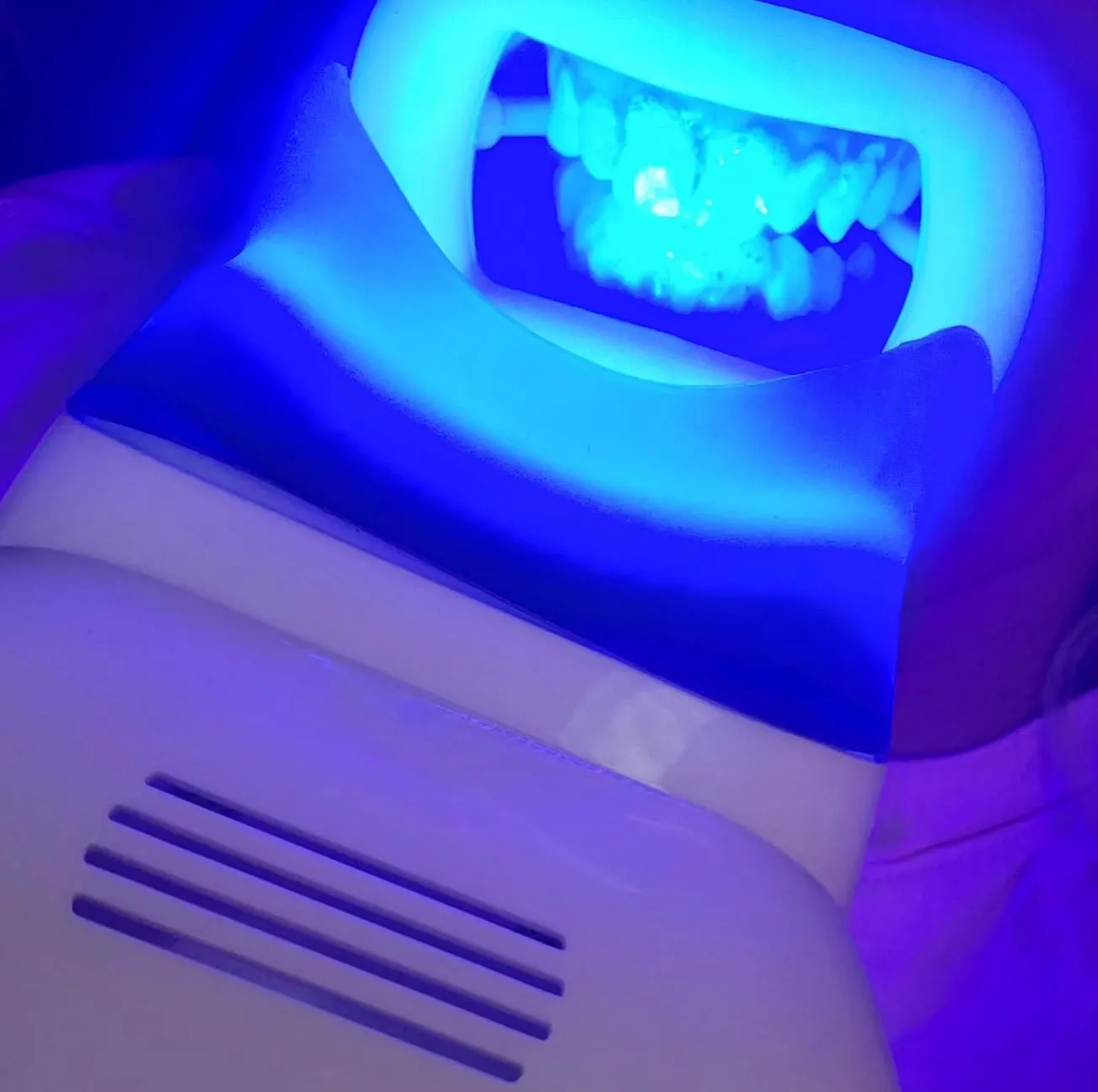
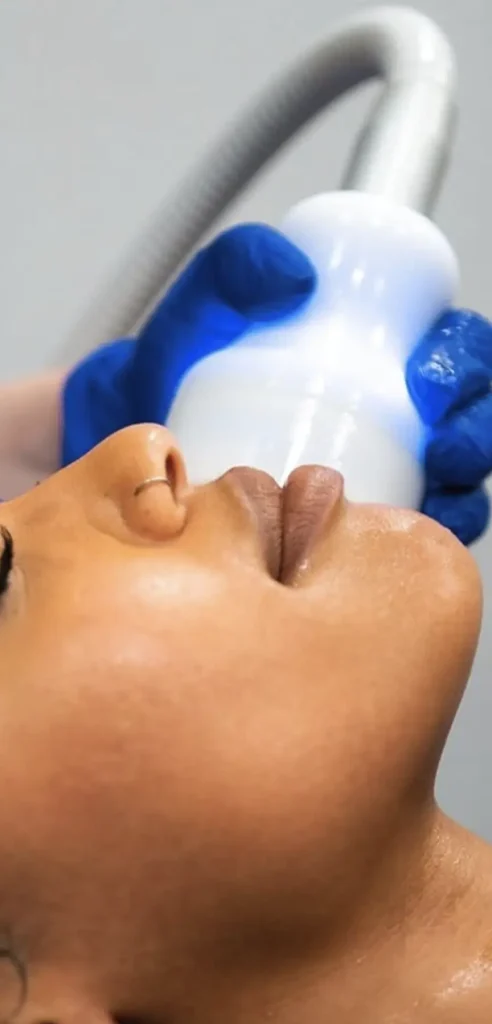
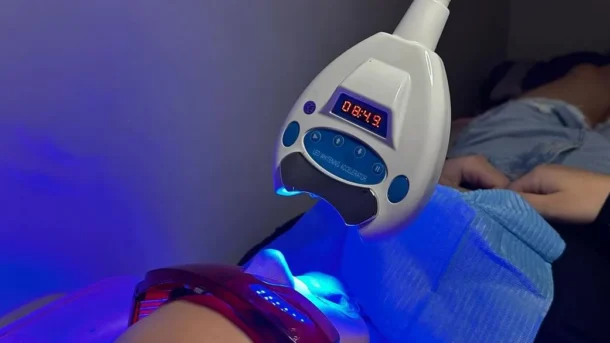
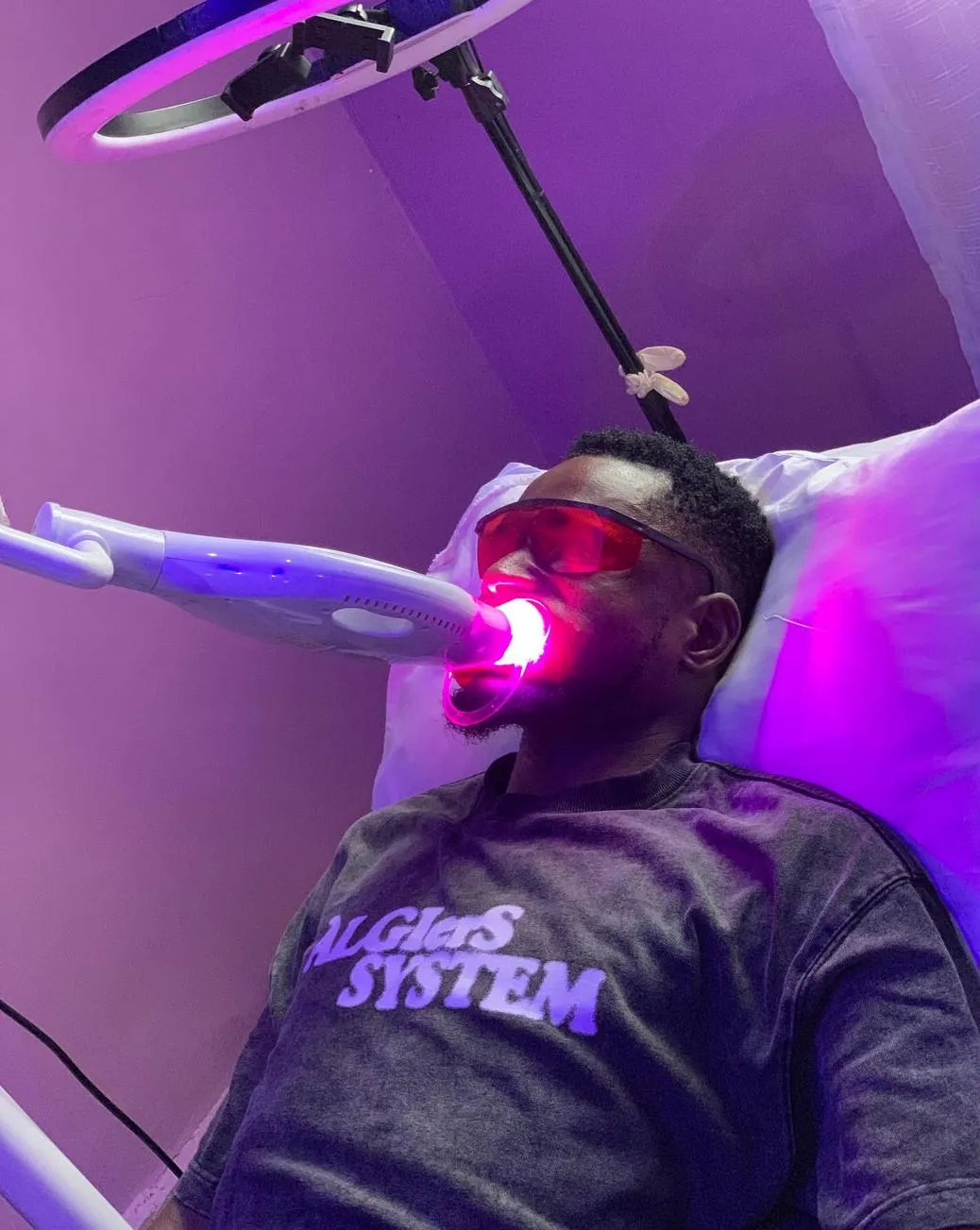
Thanks to influencers and savvy marketers, LED teeth whitening kits that include strips and a light tray are everywhere this year. Do they work? Kind of. The light may speed up the peroxide reaction, but it won’t magically erase years of red wine and coffee. Without a solid whitening agent, the blue light is more gimmick than game-changer.
If you’re going this route, check the ingredients. A 2025 industry review found that 74% of at-home LED kits in Australia used peroxide levels too low to produce lasting results.
We’ve had a few clients at Face Figurati ask about these hybrid kits, and while some get a short-term lift, they’re rarely a substitute for in-clinic teeth whitening.
What to Watch Out For
- Tooth Sensitivity: This is the number one complaint. If your teeth are zinging during cold drinks after using strips, back off.
- Gum Irritation: The peroxide can burn or inflame soft tissue. Never let whitening gel or strips touch your gums.
- Uneven Whitening: Crowns, fillings, and veneers won’t whiten. You’ll end up with a patchwork smile.
- Fake Products: Online marketplaces are rife with counterfeit whitening products. Always buy from a reputable Aussie retailer.
Our Honest Recommendation
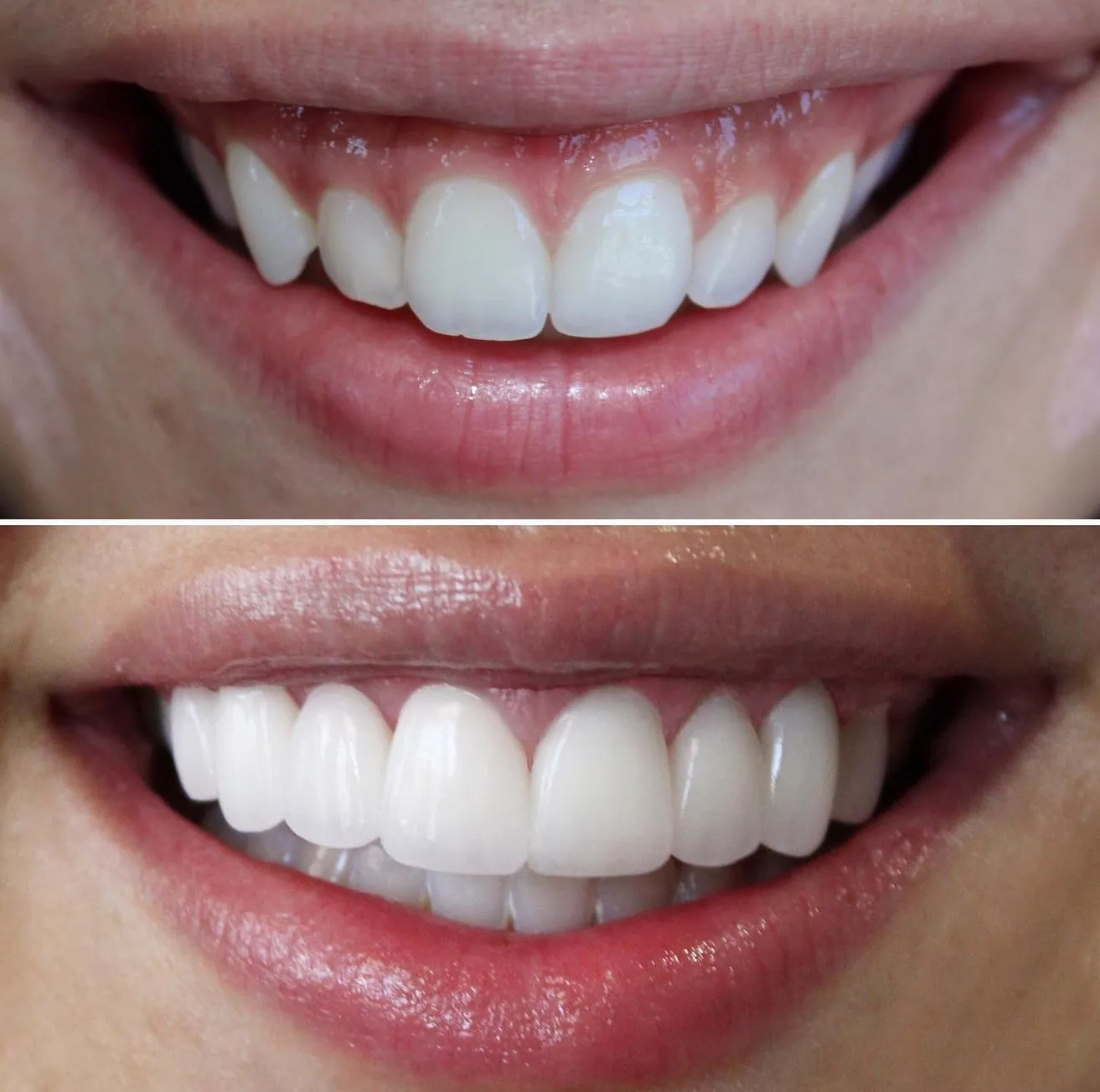
Teeth whitening strips can work for mild, surface-level stains — especially if you’re prepping for a big event and don’t have the time or budget for professional whitening. But they’re not a one-size-fits-all fix.
If you want safe, noticeable, and long-term results, professional whitening (either in-chair or with dentist-supervised trays) is the way to go. You’ll get even results, stronger whitening agents, and proper care instructions that protect your enamel and gums.
We often remind our clients at Cosmetic Tattoo Brisbane Studio Face Figurati that teeth whitening is a process, not an overnight miracle fix. When done properly, it can enhance your overall look and boost confidence, but you’ve got to treat it with care.
And remember, whitening isn’t forever. Coffee, tea, red wine, and life will slowly dull your sparkle. Maintenance with a good whitening toothpaste and occasional top-up treatments is key.
Final Thoughts
We get it. Everyone wants a brighter smile. But the best results come from tailored whitening treatments and realistic expectations. If you’re curious about which teeth whitening kit or product is right for you, book in for a consultation with your dentist or pop by a studio that knows the ins and outs of teeth and treatments. Your enamel will thank you.
At Cosmetic Tattoo Brisbane Studio Face Figurati, we love helping our clients explore cosmetic options beyond tattooing — including safe, informed approaches to teeth whitening that protect your smile and your health.
FAQ
Are whitening strips safe to use every day?
No. Most strips are designed for short-term use over 7–14 days. Daily use can lead to sensitivity issues, enamel damage, and gum irritation.
Do dentists recommend any specific whitening strip brands?
Some may suggest known teeth whitening products like Oral-B 3D Whitestrips for temporary use, but they usually prefer dentist treatment for safety and better results.
Can whitening strips damage enamel?
If used as directed, the risk is low. But overuse or using strips with very high peroxide content can lead to enamel erosion and teeth sensitivity.
Why don’t whitening strips work on my fillings or veneers?
Because dental materials don’t react to hydrogen peroxide or carbamide peroxide like natural tooth enamel, only real teeth will whiten.
What should I do if my gums burn after using a strip?
Stop use immediately, rinse with cool water, and avoid hot or acidic foods. If the irritation continues, see your dental professional.