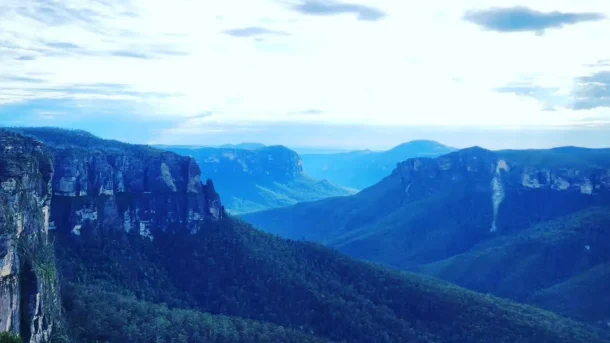
When people ask what animals you can see in the Blue Mountains, I say, “Depends on whether you’re walking quietly or chatting loud enough to scare a kangaroo into next week.” The Blue Mountains National Park isn’t just about sandstone cliffs, waterfalls or the iconic Three Sisters rock formation — it’s a living World Heritage Site teeming with native wildlife and endangered species.
Wild Encounters — Meet the Locals on the Trail
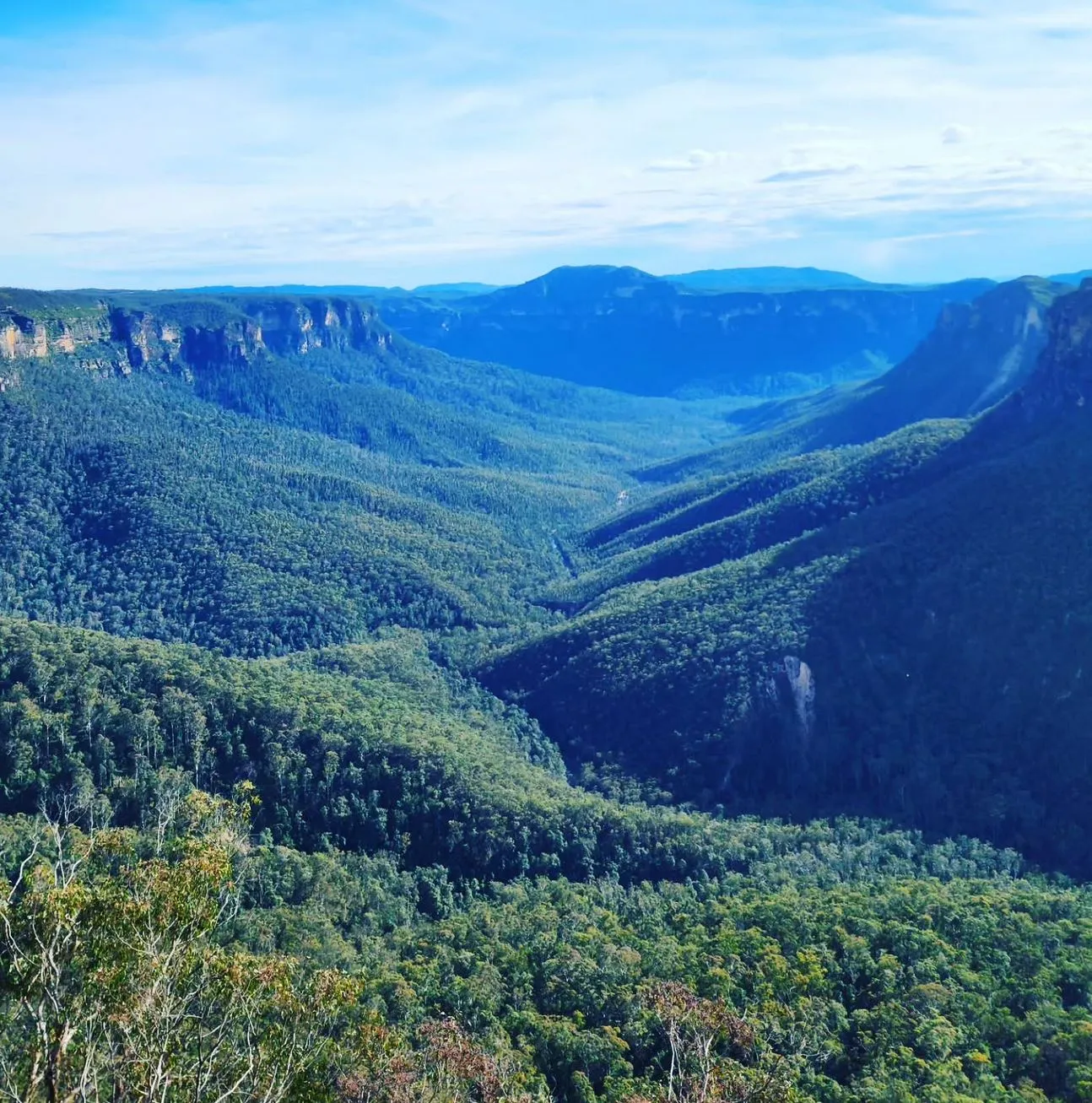
The Greater Blue Mountains Area, covering over a million hectares of protected zones, is home to some of the most unique Australian animals on the planet. From curious lyrebirds scratching through the undergrowth to shy wombats shuffling across the road at dusk — the Blue Mountains’ wildlife is magic if you take the time to look (and listen).
Koalas — The Sleepy Symbols Of The Eucalypt Forest
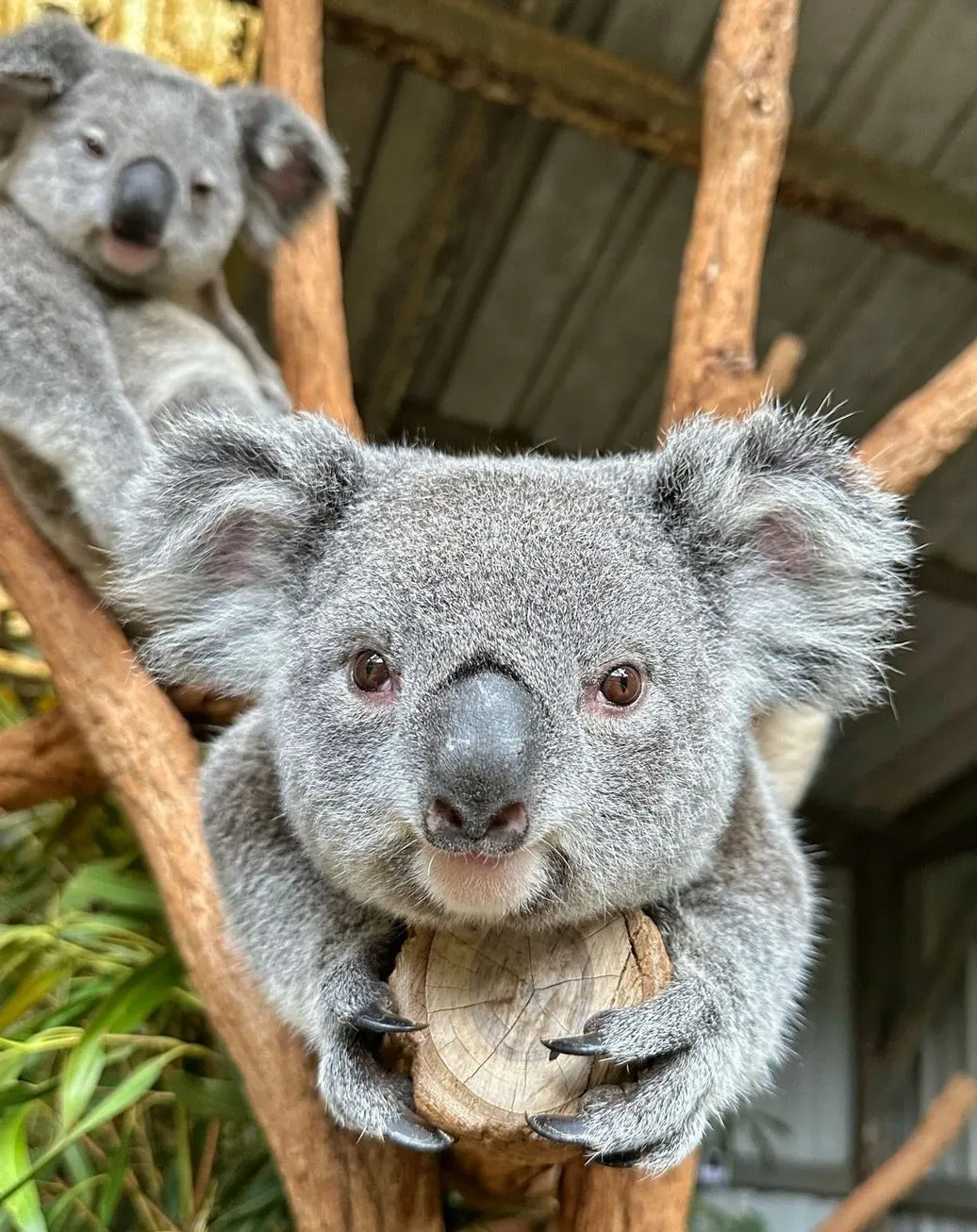
Let’s start with everyone’s favourite furry face. Koalas once thrived through the lower Blue Mountains, particularly around Glenbrook and Springwood, where blue gums dominate the canopy. Now spotting one in the wild is rare but not impossible.
Koalas eat almost exclusively eucalyptus leaves and sleep up to 20 hours a day. If you want to see one, your best bet is early morning or late afternoon near the Nepean River or the lower valleys.
Koala conservation note: local populations have declined due to habitat fragmentation and urban development. According to the NSW Government’s Saving Our Species program, the Blue Mountains koala population is endangered, with fewer than 500 estimated across the greater region.
Kangaroos — The Iconic Hoppers Of The Plateau
You’ll likely see eastern grey kangaroos before you see a koala. They’re the Blue Mountains’ unofficial greeters — usually lounging in grassy clearings near Jenolan Caves, Megalong Valley or the Kanangra-Boyd plateau.
Best time to see them: Dawn and dusk (avoid the midday heat).
Behaviour tip: If they stand up and stare at you, that’s not curiosity — it’s a warning. Keep your distance.
Fun fact: Adult males can reach 2 metres tall and jump 9 metres in a single bound — something you don’t want to test on a narrow track!
When I first led tours through Megalong Valley, we’d pull over at dusk and watch mobs of roos grazing in the mist — a sight that never gets old.
Blue Mountain Water Skink — A True Local Treasure
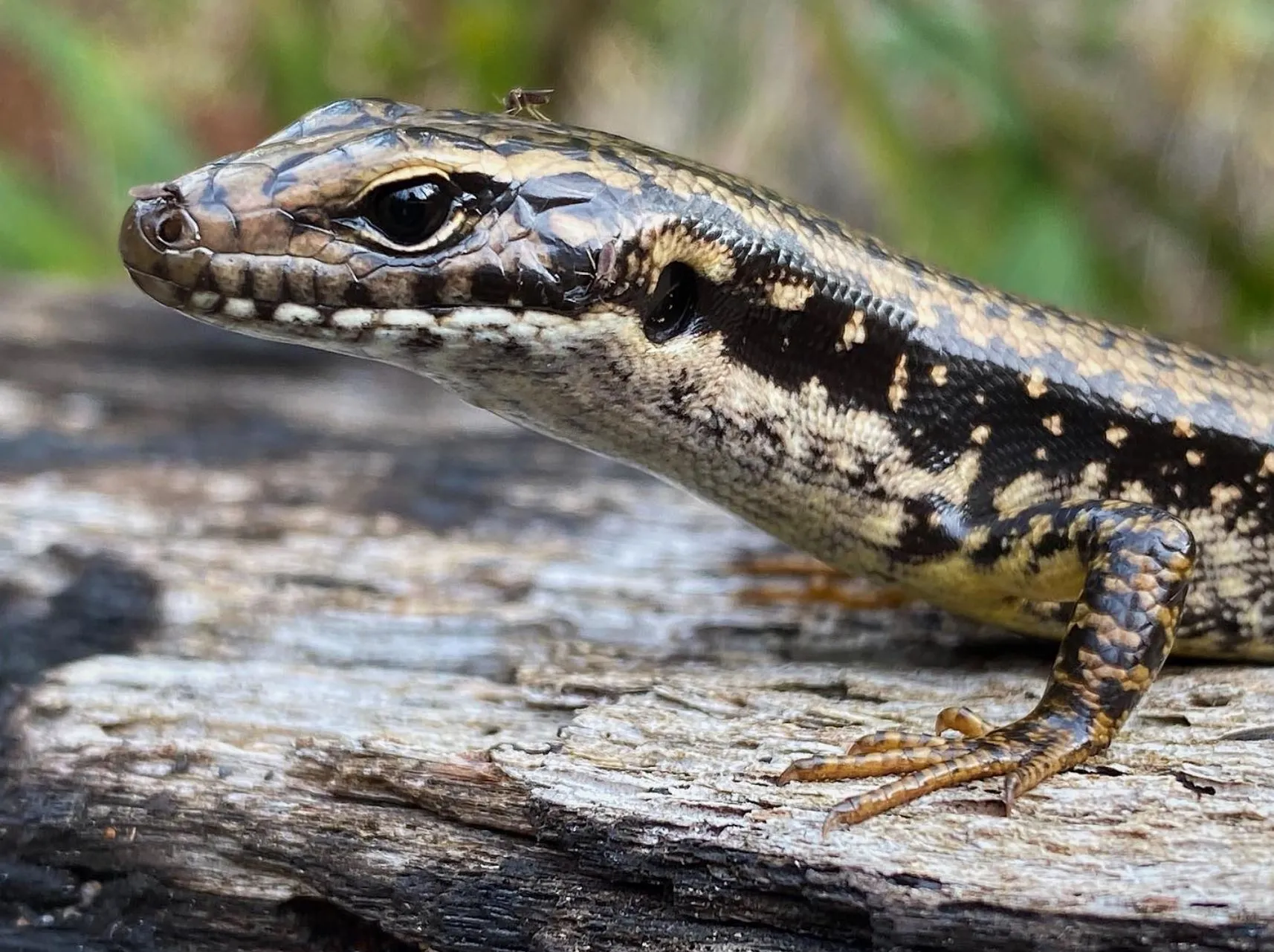
This Blue Mountains Water Skink isn’t picture-perfect, but it’s got a lot of conservationists on its side. The Blue Mountains Water Skink (Eulamprus leuraensis) is found in a particular area —just in this one corner of the world — making it a local legend.
These skinks call swampy patches around Wentworth Falls and Katoomba their home, relying on those boggy spots to stay alive. Sadly, because of all the drainage and climate change, their numbers have plummeted below 1,000, making them one of Australia’s rarest reptiles – and they’re getting super hard to spot.
If you find yourself walking along the Charles Darwin Walk or the Blue Gum Swamp, take a deep breath and tread lightly – you might just catch a glimpse of these quick little skinks basking by the creek edges. With a bit of patience, you could even see a flash of golden-brown scales dart across your path.
Cockatoos — The Noisiest Neighbours In The Mountains
If you ever get to hear a super loud squawk echoing off the valleys, that’s probably a Sulphur-Crested Cockatoo just letting everyone know it’s finally awake. These cheeky birds travel around in big noisy groups. You’ll often spot them stripping bark off trees near Echo Point or raiding campsites for snacks (but you probably won’t be happy about the noise).
Intelligence-wise, they’re something special – cockatoos have even been observed opening bins and teaching their mates how to do it. Love ’em or hate the racket they make, it’s a good reminder that the bush is anything but quiet.
Lyrebirds — The Forest’s Very Own Performers
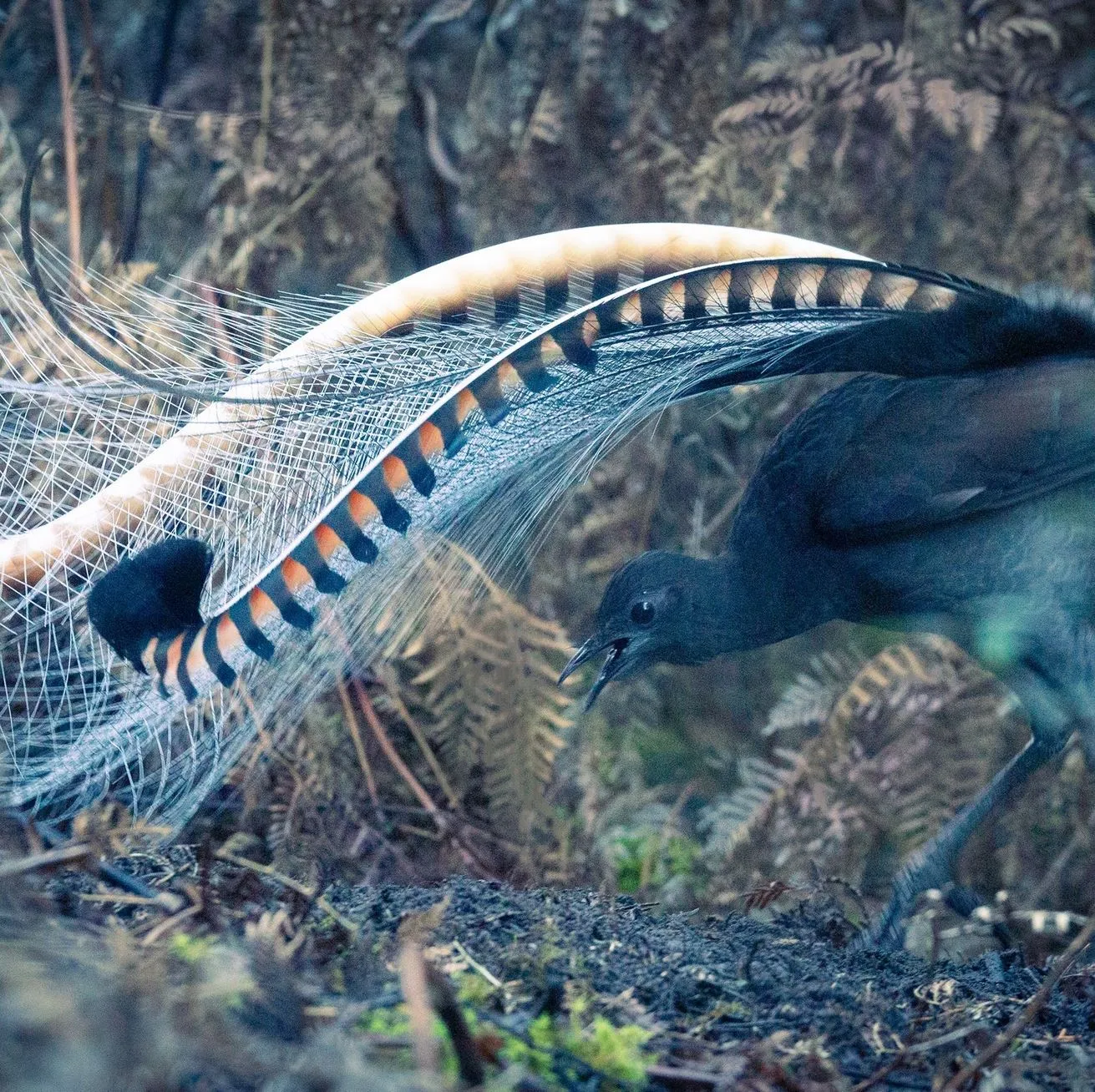
The superb lyrebird – they’re the one thing that really makes the Blue Mountains magic happen for many people. First off, their tail feathers look like a silver harp – just amazing. But it’s their calls that are the real treat – they can mimic all sorts of stuff like chainsaws, car alarms or even a camera clicking away.
You’ll probably hear them more often than you see them. They have this haunting call that can be heard echoing through the gullies – especially around Leura Cascades, Jamison Valley, and Govetts Leap. In winter, they actually get pretty romantic too – the males do all these crazy courtship dances, flicking leaves around as if putting on a show for anyone who will watch.
When you first hear one of those eerie mimics, stop dead in your tracks and wait – you might just get the feeling that the whole forest is taking a deep breath.
Crimson Rosellas — A Flash Of Colour In The Canopy
Crimson rosellas are the stars of the show in the Blue Mountains. Their red chests and bright blue wings make ’em impossible to miss – whether they’re flitting between trees or swooping down for a snack at Katoomba Falls Reserve.
They’re super common and pretty confident – often they even travel in pairs – the bird equivalent of a stylish couple on a Sunday stroll. Pop out the binoculars and you might just spot the subtle variations in their feathers – like how the younger ones have a bit of an olive green look before they turn all bright red.
Blue Mountains Tree Frog – Local Rarity
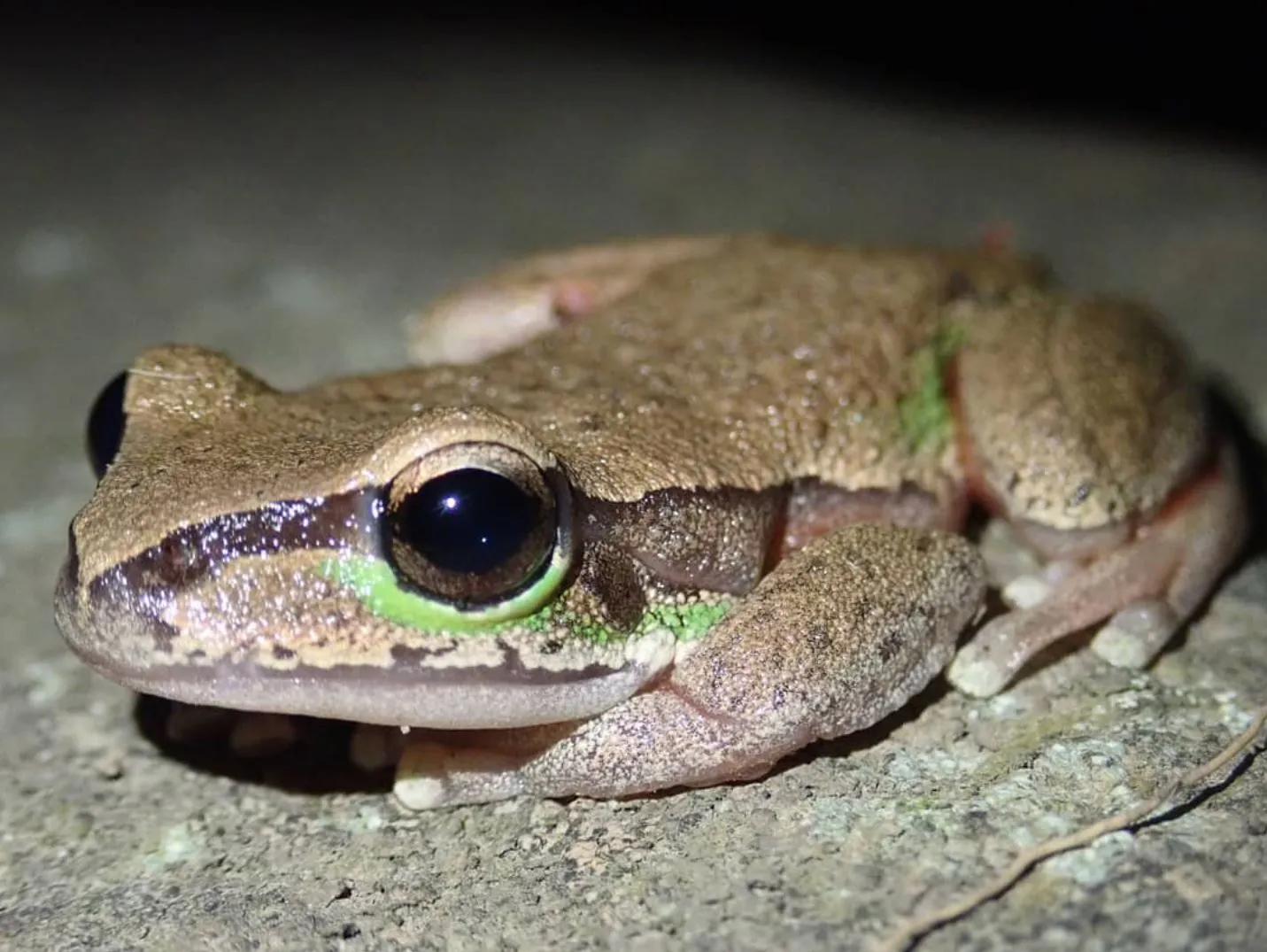
A true Blue Mountains local, the Blue Mountains Tree Frog (Litoria citropa) is found in the cool, fast-flowing creeks and waterfalls of the Grose Valley & Blackheath. It’s olive-green back & golden sides blend in beautifully with the mossy rocks—same colour as the rocks themselves.
At night, after a good rain, you’ll hear a loud, rapid “wreek-wreek” call echoing through the gullies. A pretty sad state of affairs for these frogs – pollution and unpredictable rainfall have left them vulnerable.
If you’re out walking near Wentworth Falls Lake one evening, switch off your torch & just listen for a bit. You’ll hear that chorus before you even lay eyes on one.
Wombats – Nighttime Diggers
When you see some fresh, little cube-shaped droppings on the track, you know you’ve been through wombat country. These chunky marsupials are the experts when it comes to digging burrow systems all through the forest floor and out on the open plains.
Your best chance of spotting one is probably around Jenolan Caves or Newnes Plateau – normally after nightfall. But take care driving through there, as they can be pretty slow movers & collisions aren’t uncommon.
Sort of amazing really – a wombat’s rear end is built from cartilage – its own little self-defence system against nasty predators like dingoes.
Wildlife Under Threat in the Highlands
The Blue Mountains are in a World Heritage Area, home to 400 native species, many of which are in danger of disappearing. Conservation work’s ongoing here, with the NSW National Parks & Wildlife Service & local groups like the Blue Mountains Conservation Society both putting in a lot of effort.
Here’s a quick overview of some of the region’s vulnerable residents:
| Species | Status (NSW) | Habitat | Main Threats |
|---|---|---|---|
| Koala | Endangered | Eucalypt forests | Habitat loss, disease |
| Blue Mountains Water Skink | Endangered | Swampy creeks | Climate change, drainage |
| Blue Mountains Tree Frog | Vulnerable | Mountain streams | Pollution, chytrid fungus |
| Spotted-Tailed Quoll | Endangered | Forested escarpments | Habitat loss, roadkill |
| Regent Honeyeater | Critically Endangered | Woodland fringes | Food scarcity, logging |
How You Can See The Wildlife
You don’t need to be a biologist or a bush tracker to enjoy the wildlife here — just a bit of patience, curiosity and respect for Country.
Here’s how you can experience it all:
- Join A Guided Eco-Walk. Small-group tours (like the Blue Mountains Tour) run dawn and dusk wildlife treks — the perfect times for activity.
- Visit The Blue Mountains Botanic Garden At Mount Tomah. Native birdlife is everywhere, especially crimson rosellas and fairy-wrens.
- Head To The Megalong Valley Lookout at sunrise for kangaroo sightings.
- Bring Binoculars, Not Breadcrumbs. Feeding wildlife disrupts natural behaviour and can make animals sick.
- Go Quiet. The more you blend in, the more you’ll see.
- Respect Traditional Owner Guidance. Much of this Country is sacred; follow local signage and avoid restricted areas.
When I’m guiding groups, I always say — wildlife watching isn’t a race. It’s an act of patience. Sit still long enough, and the bush tells its own stories.
FAQ
Are There Snakes In The Blue Mountains?
Yes — mostly non-aggressive species like the Diamond Python or red-bellied black snake. Stay on trails and you’ll be fine.
What’s The Best Time To See Wildlife?
Dawn and dusk are the best times. Cooler months (April–September) bring out kangaroos, lyrebirds and wombats.
Are There Any Wildlife Parks Or Sanctuaries Nearby?
Yes — visit the Blue Mountains Wildlife Park, Wildside Sanctuary, or the Australian Reptile Park for close encounters and conservation education.
Can I Feed The Animals?
No way. Feeding wildlife disrupts natural behaviour and can make animals sick. Keep food secure and watch from a distance.
Where Can I Learn More About Conservation?
Check out the Blue Mountains Heritage Centre, Science for Wildlife, or the Birdlife Australia Atlas for ongoing projects and volunteer programs.