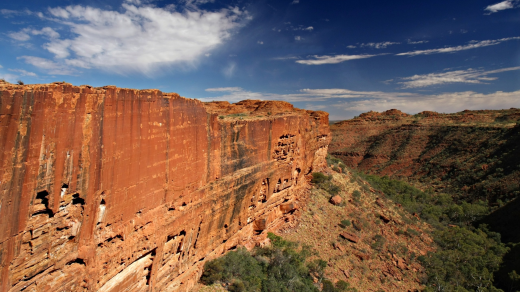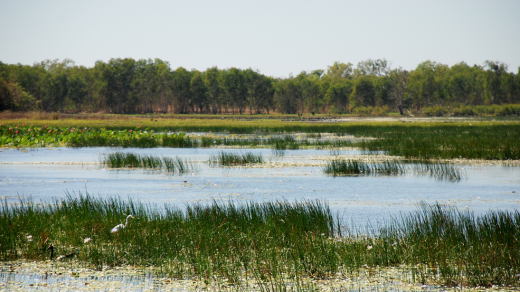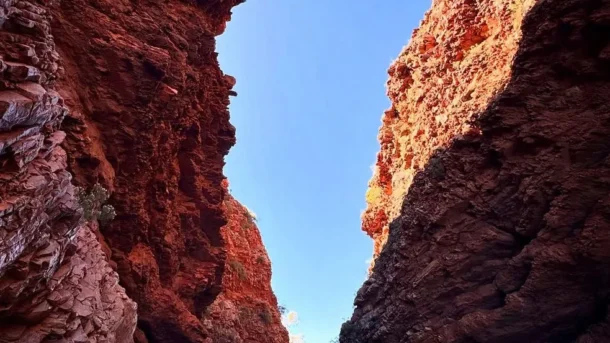
Is there a bus from Uluru to Alice Springs? You bet there is, and one of those classic Aussie journeys that stitches together two of the country’s most iconic spots in it. I’m Paul Beames , after a few decades of roaming these parts, and I can tell you there’s a lot more to this route than just getting from A to B – it’s a snapshot of Outback life with all the dust and beauty that comes with it.
Every traveller to the Red Centre at some point will have this same question – maybe you’ve flown into Yulara to tick off Uluru at sunrise, or you’re wrapping up a desert circuit and wondering how to get back to civilisation. Either way, you’re in for a proper outback road trip – 450 km of some of Australia’s most remarkable desert landscapes, even if someone else is doing the driving on a bus.
Understanding the Red Centre Route
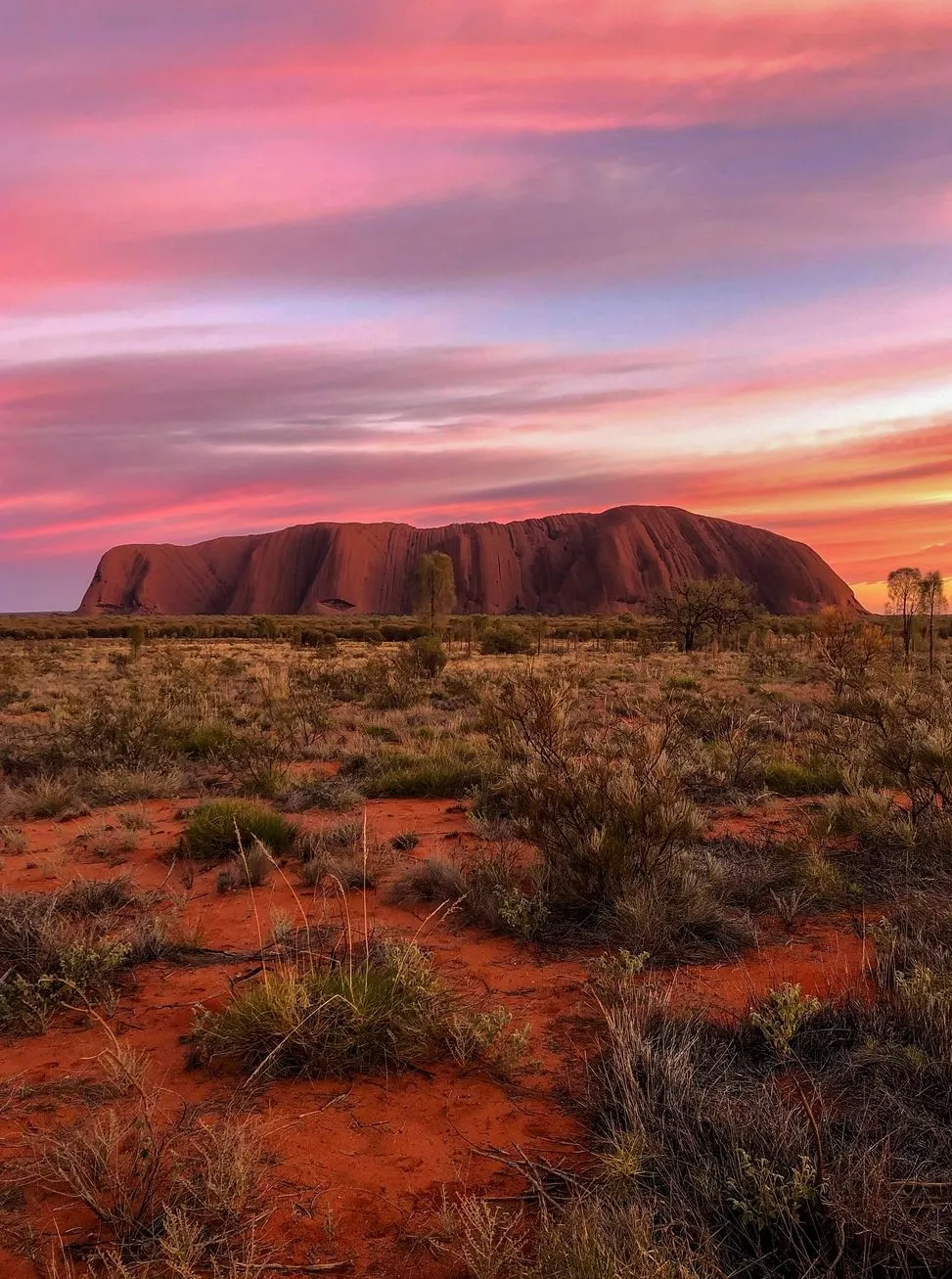
The road between Uluru (Yulara) and Alice Springs follows the Lasseter and Stuart Highways – 5 hours 30 minutes of solid driving, plus all the stops you want for a cold drink, a feed of lunch and a chat with the locals. It’s one of the Northern Territory’s busiest tourist routes , though “busy” is an understatement out here – you might see a few caravans , a road train or two and the odd rental hatchback that’s more or less held together with wire & hope .
Most people just opt for a coach transfer, which runs daily and makes life easy. They’re air-conditioned too (praise the Outback gods) and run to a pretty tight schedule with clear departure and return times, and they’ll also stop for a look at a few of the local sights along the way. You’ll see the desert change colour as the kilometres roll by – from the deep reds of Uluru to the rocky ranges around Alice.
If you’re travelling with Uluru Ayers Rock Tours , then you’re in for a smooth , scenic ride with the option of listening to a bit of commentary from the guides about the local culture and geology. Their guides make the trip feel like part of the experience, not just some transfer you’re going through.
Distance & Travel Times
Here’s a quick idea of what you’re in for :
| Travel Option | Distance | Duration | Frequency | Price Range (AUD) | Features |
|---|---|---|---|---|---|
| Coach Transfer | ~450 km | 5.5 hours | Daily | $189–$215 | Air conditionin, onboard toilet, scenic connection |
| Self-drive (car hire) | ~450 km | 5–6 hours | Anytime | $150–$250/day + fuel | Full independence, remote roads |
| Guided Tour | ~450 km | 10–12 hours | Most days | $250–$350 | Guided experience, cultural insight |
Data for now (2024-2025 season) – note that prices vary from one operator to another depending on how much notice you give them, your travel dates, and any special deals that pop up along the way.
What the Journey Is Really Like
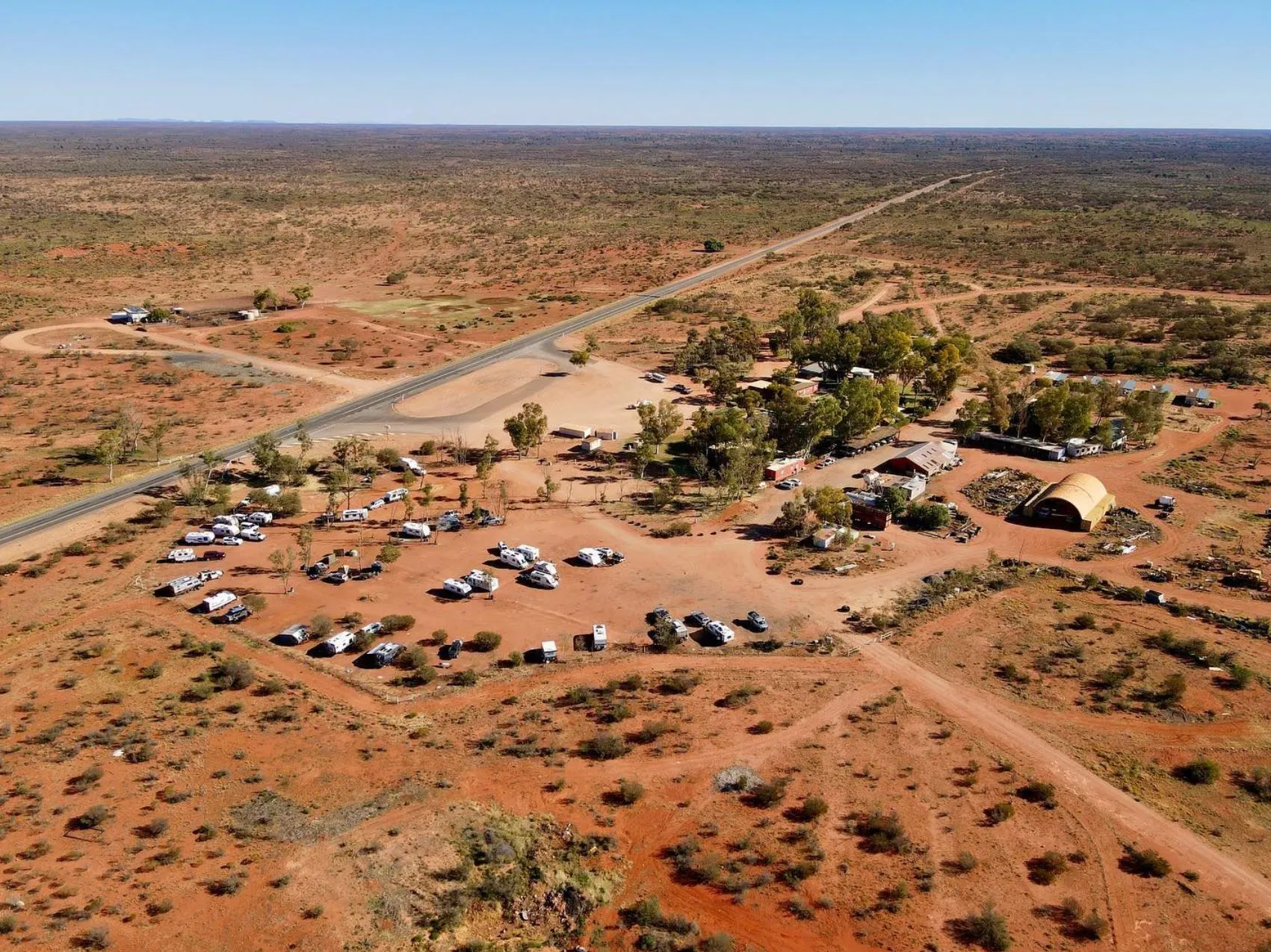
The drive may be a long haul, but it’s not exactly a snooze. You’ll cross over some ancient floodplains, stop in at Mount Ebenezer and Curtin Springs to refuel and grab a bite, and of course, you can’t resist a little break at Erldunda – they like to brag that it’s the ‘Centre of the Centre’. They still sell fly nets, postcards, and hot chips at this old-fashioned roadside stop, so you can stock up for the road ahead.
Once you get past Erldunda, the landscape starts to lift – the red hills start to fade into the mighty MacDonnell Ranges. You’ll know you’re getting close to Alice Springs when the road finally straightens out again, and the air takes on that unmistakable smell of eucalyptus and dust. It’s the real Outback experience – long distances, time stretching out and stories you just can’t wait to hear.
Insider Tip
If you’re planning to head out in the warmer months (October to March), you’ll want to pack some serious water and a sense of humour. The desert sun is no joke – temps can easily get up to 40°C by mid-morning, and the flies will be biting you non-stop. Tuck in, stay hydrated, and try not to mind the grit in your teeth a bit too much. If you’re on a tour bus, you might even appreciate the onboard loo and aircon – they’re your best mates on this trip.
If you’re already booked on a longer trip like the 4 Day Alice Springs Uluru Tour, your transfer might even include extra sightseeing and commentary to help you understand the place’s amazing cultural and geological history.
Coach, Car Hire or Tour
Each has its pros. The right one depends on your travel style, budget and patience for Outback driving.
Coach Transfers: Easy and Reliable
If you’re the kind of traveller who’d rather watch the world go by than worry about roadhouses and tyre pressure, coach transfers are your best bet. Emu Run Experience, Greyhound Australia, and Uluru Ayers Rock Tours offer daily services between Uluru and Alice Springs. Some even pick you up from your hotel in Yulara and drop you at your accommodation in Alice.
Benefits include:
- Air-conditioned comfort (worth its weight in gold out here)
- On board toilet facilities
- Local commentary from guides who actually know the land
- Guaranteed arrival, clear terms and conditions and simple cancellation policy
Car Hire: Freedom at a Cost
Driving yourself? You’ll get more flexibility, but there are catches. One-way hire fees between Uluru and Alice Springs can be steep, sometimes doubling your daily rate. Petrol prices in the desert are also higher than your average servo — expect to pay around $2.60 a litre.
That said, self-driving gives you full control. You can pull over to photograph the changing light on the dunes, or stop at the Henbury Meteorites Conservation Reserve — a field of ancient craters formed thousands of years ago. If you’ve got the stamina and a good playlist, it’s a great way to see the Territory at your own pace.
Guided Tours: The Best of Both Worlds
If you’d like your travel to include storytelling, photo stops and someone else handling the logistics, jump on a guided day tour. Most include scenic lookouts, roadhouse meals and plenty of laughs along the way. These are longer days, but they give context to the country — its history, Traditional Owners and how life unfolds out here.
When we run small group tours through this region at Get Lost Travel Group, we focus on those stories. You’ll learn how the Pitjantjatjara people view this land and why respecting Country is just as important as snapping that Uluru sunset time shot under a starry night sky.
The 4 Day Alice Springs Uluru Tour is another top choice for travellers wanting to make the most of their time in the Red Centre — combining cultural experiences, comfortable transfers and plenty of photo ops.
Seasonal Travel Tips for the Red Centre
The desert’s desert-like appearance belies the fact that the seasons bring big changes – sweltering highway heat and the need to top up that water bottle being just the beginning.
Dry Season (May to September)
Peak travel time is when the desert’s in top form: clear days, cool nights and roads that are in better nick than you could have hoped. Expect to share the bus with other wide-eyed adventurers, but at least the weather’s good—perfect for snapping that sunrise shot and taking a leisurely drive to take in the views.
Hot Season (October to March)
Get ready for some serious heat – we’re talking 40+ degrees, and don’t even get me started on the flies. If you do have to ride on a bus, just make sure it’s one with aircon – most should be. Pack that water bottle and give yourself a good slathering of SPF 50 while you’re at it. Don’t be surprised if summer storms roll in and turn a dry creek bed into a mini inland sea, either.
Shoulder Season (April and October)
For those that like a bit of a reprieve from the madness – this is the sweet spot. Fewer tourists, slightly cheaper fares and plenty of room on the lookouts. Just keep an ear out for weather updates because the odd killer heatwave can still pop up and give you a nasty shock.
What to Pack for Your Trip

Now, we know what you’re thinking: “How hard can it be to travel to the Outback for a day?” – but trust us, you’ll want to be pretty well-prepared for this trip even if you are just zipping off on a coach.
The Essentials:
- At least 2 litres of water (trust us, this is the bare minimum)
- A decent hat to shield you from the sun and a good fly net (you’ll be thanking us when you see the amount of flies)
- Sunscreen and lip balm – you don’t want to be wandering the desert with a nasty sunburn
- Something light and breathable to wear – you don’t want to be overheating
- Snacks – the roadhouses will be pricey, so bring some of your own
- A phone charger or power bank – you never know when you’ll need it
- A camera – those sunsets at Mount Connor are honestly unbeatable
If you’re actually driving, you may want to consider bringing:
- A spare tyre and toolkit (you don’t want to be stuck with a puncture)
- A bit of extra fuel if you’re not sure how far you’ll get
- Offline maps (reception can disappear in the middle of nowhere in the blink of an eye)
- Travel Insurance – that’s worth its weight in gold if you do have a change of plans or the roads close unexpectedly
Booking, Payments, and Tour Vouchers
Before you book, check the operator’s terms and conditions. Look for the cancellation policy, credit card surcharge and if tour vouchers or flexible holiday dollars can be used. Most coach and tour operators have an online booking calendar so you can see availability at a glance.
And remember, if you’re booking through a third party like Uluru Ayers Rock Tours, double-check the fine print on return times and inclusions. Not all operators provide hotel pick up, so check that before you pack your bags.
Safety and Cultural Awareness
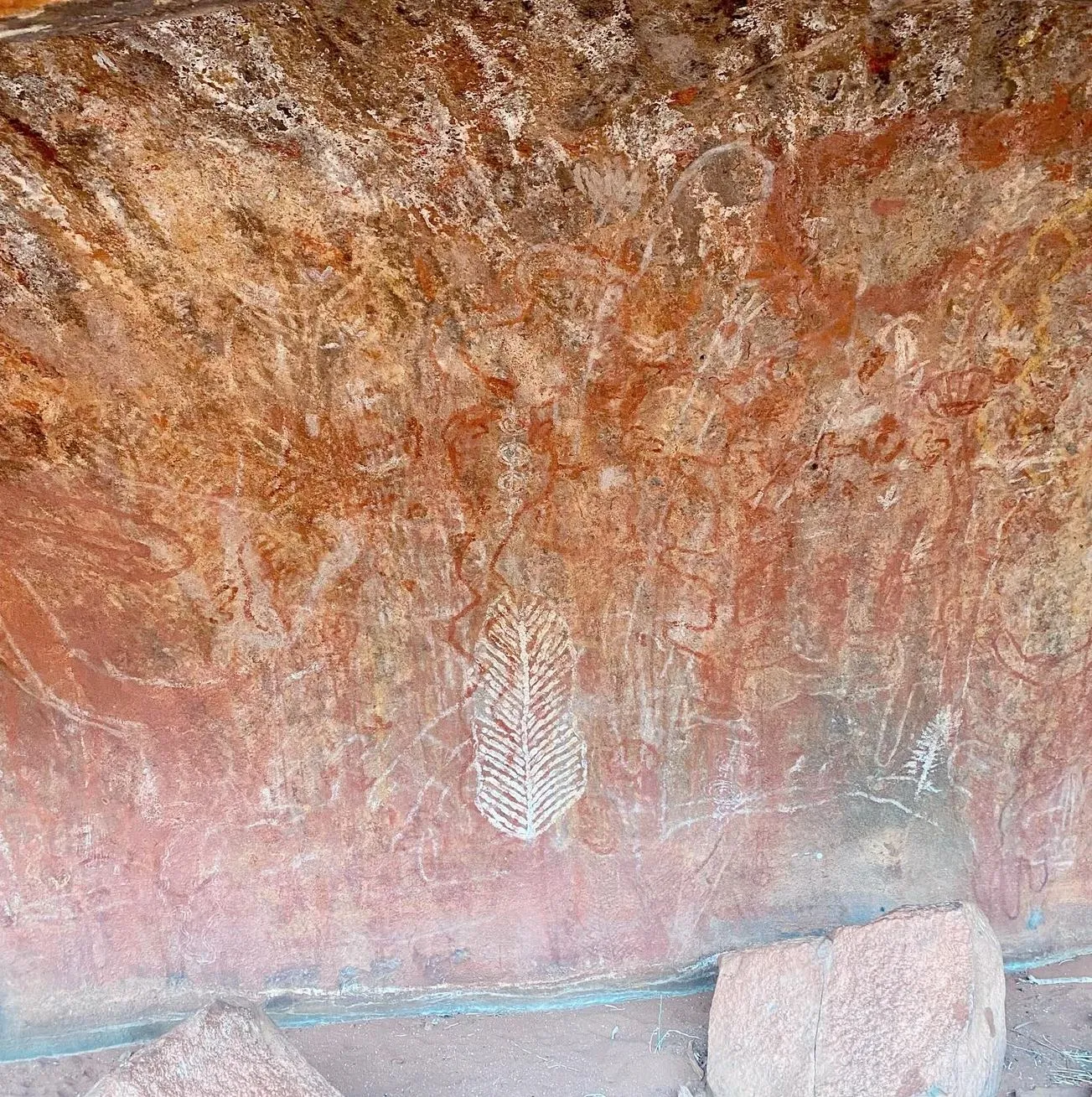
The Red Centre isn’t just a landscape, it’s a living cultural place. Uluru is sacred to the Anangu people, and the lands between Yulara and Alice are full of Dreaming stories. When you travel this route, do it respectfully. Stay on the designated paths, don’t climb sacred formations and follow all park signs.
Road safety-wise, be aware of wildlife, especially at dawn and dusk. Kangaroos, camels and even wedge-tailed eagles have no road sense. Drivers should plan to be off the highway before dark – the buses do it for a reason.
If you’re part of a longer trip like the 4-Day Alice Springs Uluru Tour, your guides will brief you on safety, cultural etiquette and where to find the best views of the night sky.
Final Word from Paul
So there IS a bus from Uluru to Alice Springs – and it’s one of the easiest, safest and most scenic ways to get a feel for the real Red Centre. You’ll be sharing the ride with all sorts of interesting folks – backpackers, retirees and the odd fly-in adventurer – all pretty much in awe as the landscape just rolls on by.
I’ve done this trip more times than I can shake a stick at, and it never fails to get me. Every trip is different – new colours, new stories and that familiar hum of the highway that drives home just how bloody massive Australia is.
Need help sorting out your NT leg? Just fire me a message – I’m always happy to share the latest dirt from the road or help you line up your next 4-Day Alice Springs Uluru Tour with Uluru Ayers Rock Tours.
FAQ
How often do buses run between Uluru and Alice Springs?
Well, pretty much every day. Most operators offer morning and afternoon departures, depending on flights and other tours they’re tying in.
Can I buy a one-way ticket?
Yeah, most coaches offer one-way fares – just don’t forget to book ahead, especially during the dry season.
Are there places to stop along the way?
Definitely. Most services pull in for a couple of rest breaks – Erldunda and Curtin Springs are the usual spots – to get some fuel, food and a bathroom break.
Is there Wi-Fi or an on-board loo on the bus?
A few coaches have Wi-Fi, but to be honest, it’s pretty patchy once you get out of Yulara. However, if you’re on a full-size coach, you’ll at least have a toilet on board, and the aircon is usually reliable.
What’s the best time to see Uluru’s sunset?
Just check the daily sunset time – usually between 6:30 and 7:30 pm, depending on the season – and stick around when the tourists pack up and head off home. Then you can just sit back and take in that truly unforgettable starry desert sky.